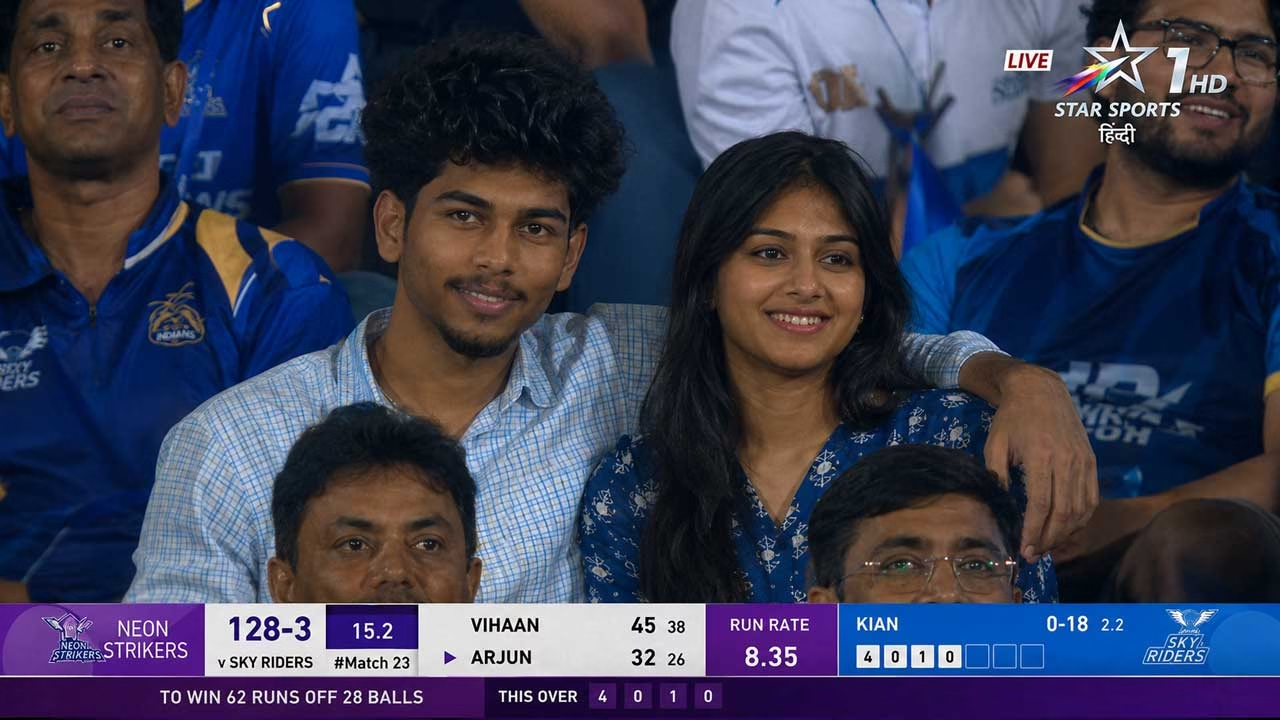
The most convincing AI sports videos today are not the ones filled with dramatic slow motion or cinematic transitions. The clips that truly capture attention are the ones that feel ordinary at first glance. A crowd camera briefly focusing on two fans during a CSK vs RCB match can now be recreated entirely through AI, and modern creators are using this style because audiences instinctively trust visuals that resemble genuine television coverage.
Recreating the Language of Live Sports Television
Sports broadcasting has its own visual grammar. Stadium cameras rarely stay perfectly stable, crowd shots appear unexpectedly, and viewers often notice tiny imperfections caused by distance and lighting conditions. Premium AI platforms are becoming effective at understanding these broadcast patterns. Instead of generating polished promotional imagery, creators now train prompts around realism, unpredictability, and natural stadium atmosphere.
Why Midjourney and Flux Are Popular for Cricket Scenes
Tools like Midjourney and Flux are widely used because they can produce realistic crowd density and detailed sports environments without making the frame feel overprocessed. Stadium floodlights, jersey textures, LED banners, and audience depth look more convincing when generated through models trained on realistic lighting behavior. These tools also help maintain believable skin texture, which is important when the goal is to imitate live television rather than fashion photography.
Using Runway and Kling for Motion Generation
Once the stadium image is generated, creators usually move into AI motion platforms such as Runway Gen-4 and Kling AI. These tools animate still images by introducing subtle human movement, shifting crowd reactions, and slight camera drift. The key difference between amateur and professional-looking results is restraint. Excessive animation makes the clip feel synthetic, while controlled motion creates the illusion of a real broadcast cameraman tracking audience reactions during a tense IPL over.
Facial Consistency Has Become a Major Priority
One of the hardest problems in AI sports content is preserving faces while movement is introduced. Earlier AI systems changed facial structures between frames, especially inside crowded environments. Premium tools such as Leonardo AI and Luma AI Dream Machine are improving this area by keeping hairstyles, beard shapes, and expressions more stable during short video sequences. This is especially useful for prompts involving recognizable fan reactions during cricket matches.
Why Stadium Imperfections Improve Believability
Real IPL telecasts are visually noisy. Broadcast compression, uneven lighting, distant focus, and partially blocked crowd angles are common during live matches. AI creators intentionally include these flaws because perfect imagery often breaks realism. Small distortions make the video appear captured from a real sports channel instead of generated through software. This strategy is becoming increasingly important as viewers become better at spotting artificial content.
Audio Design Is Quietly Becoming More Important
Many creators underestimate the role of audio in sports-style AI videos. A visually realistic crowd shot still feels incomplete without believable stadium ambience. Platforms like ElevenLabs and Adobe Podcast AI are now being used to recreate layered crowd sound with whistles, reactions, and distant commentary. Instead of dramatic background music, subtle environmental sound helps maintain the illusion of a live CSK vs RCB telecast.
How Prompt Structure Changes the Final Output
The success of sports-themed AI generation depends heavily on prompt organization. Detailed instructions about camera angle, crowd behavior, overlays, and lighting conditions guide the model more effectively than short descriptions. Specific references such as telephoto zoom softness, floodlight spill, and compressed broadcast quality help the AI understand that the goal is television realism rather than cinematic spectacle.
The Growing Use of Magnific AI and Topaz Video AI
After the motion sequence is created, many creators refine the final output using enhancement platforms such as Magnific AI and Topaz Video AI. These tools improve clarity while preserving the slightly imperfect texture associated with live sports broadcasts. Instead of aggressively sharpening the image, they help stabilize crowd details, scoreboard text, and jersey stitching in a more natural way.
Why Cricket Content Works Exceptionally Well With AI
Cricket stadiums contain repetitive visual elements that AI systems understand efficiently. Team jerseys, waving flags, floodlights, score overlays, and audience reactions create strong contextual consistency. This makes IPL-based prompts easier to control compared to highly unpredictable environments. AI models can use these repeating visual patterns to maintain realism across multiple frames.
Girl IPL Prompt
Tool Link
The Shift From Viral Edits to Broadcast Simulation
Earlier AI sports content focused heavily on fantasy visuals and exaggerated cinematic edits. Current trends are moving toward simulated broadcast realism instead. Creators now aim to produce clips that resemble accidental television moments rather than stylized promotional videos. This approach works particularly well on social media because viewers often pause to question whether the footage is real.
A carefully written sports prompt combined with premium AI tools can now reproduce the atmosphere of a packed IPL night match with surprising accuracy. As models continue improving, the creators who understand live broadcast behavior, stadium imperfections, and authentic crowd dynamics will likely produce the most engaging sports-based AI content in the coming years.