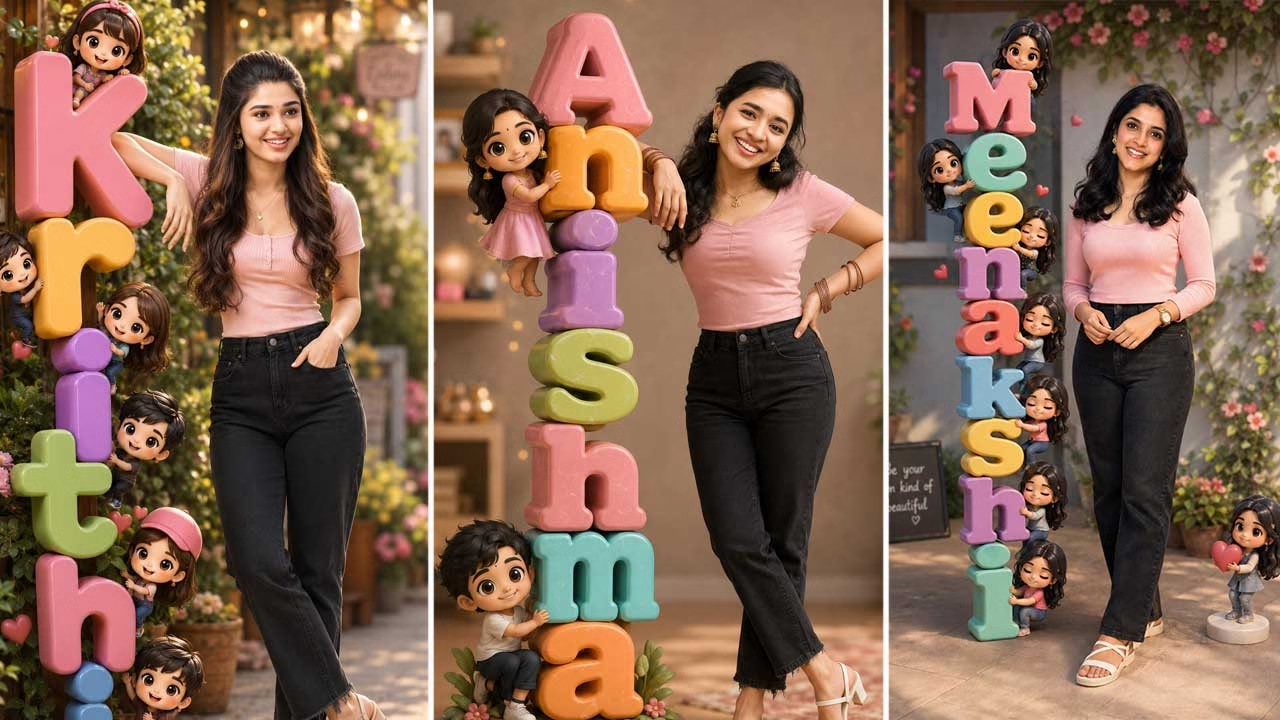
The newest generation of AI portraits no longer looks like experimental artwork created for entertainment alone. They are beginning to resemble professionally art-directed identity campaigns designed for modern internet culture. A prompt built around a photorealistic South Indian woman standing beside giant colorful 3D typography, surrounded by whimsical chibi-style characters and cinematic lighting, represents a growing visual movement among creators who want their online presence to feel instantly recognizable. These AI-generated compositions are becoming popular because they combine branding, storytelling, fashion aesthetics, animation influence, and cinematic presentation inside a single frame.
Why This Visual Style Feels Different From Ordinary AI Portraits
Most traditional AI portraits focus only on facial beauty or realism, but this cinematic 3D composition style operates more like a digital poster design. The oversized vertical typography acts as a structural visual anchor, while the realistic human subject creates emotional connection. The addition of glossy 3D elements, soft cinematic glow, depth-focused lighting, and playful chibi-inspired characters transforms the image into an immersive visual environment rather than a simple portrait. This layered design approach is why creators are increasingly using these prompts for portfolio covers, social banners, and creator-branding campaigns.
Premium AI Tools Are Driving This New Creative Trend
The rise of this visual category is strongly connected to the evolution of premium AI generation platforms. Tools like Midjourney, Flux Pro, Leonardo AI, and Runway have significantly improved cinematic composition handling, character consistency, lighting realism, and texture rendering. These platforms can now interpret highly detailed prompts involving facial preservation, dimensional typography, fashion styling, and animated design language within the same composition. Earlier AI systems often produced disconnected visual elements, but premium models now generate cohesive cinematic scenes that resemble high-budget digital artwork.
The Cinematic Composition Is Inspired by Entertainment Branding
One major reason this prompt style feels visually powerful is its similarity to movie posters, game splash screens, and animated title art. The subject placement beside towering 3D typography creates movement and depth across the frame. Instead of isolating the face in the center, the composition distributes attention between typography, character design, lighting gradients, and environmental detail. This cinematic arrangement makes the portrait feel intentional and professionally directed. Digital creators are increasingly borrowing visual grammar from entertainment industries because audiences naturally associate these layouts with premium visual experiences.
3D Typography Is Becoming a Signature Identity Element
Large glossy 3D text integrated into the portrait has become one of the defining characteristics of modern AI branding visuals. The typography is no longer treated as an afterthought or simple overlay. It functions as a core identity structure inside the image. Whether the name represents a creator, influencer, designer, or online personality, the dimensional lettering creates immediate memorability. Platforms like Ideogram are becoming especially popular because of their ability to generate clean stylized typography directly inside AI compositions without destroying visual balance.
For digital creators, this style provides something more valuable than decoration. It turns the name itself into part of the visual storytelling system. The typography becomes associated with the creator’s aesthetic identity, similar to how cinematic franchises use title design for instant recognition.
Chibi Character Design Adds Personality to Professional Branding
The inclusion of cute chibi-style 3D characters may appear playful at first, but it serves an important branding purpose. Hyper-realistic AI portraits alone can sometimes feel emotionally cold or excessively polished. Chibi-inspired elements soften the composition and introduce friendliness into the visual atmosphere. This balance between realism and stylization is becoming extremely popular among content creators because it makes their online image feel approachable without losing artistic sophistication.
The combination of realistic skin rendering and stylized animated elements also reflects a larger internet aesthetic trend where audiences prefer visuals that blend fantasy and authenticity together. This is particularly visible across Instagram creator pages, YouTube thumbnails, Twitch branding, and digital art portfolios.
Lighting and Color Treatment Create the “Premium AI” Look
Lighting design is one of the biggest reasons these portraits stand out compared to generic AI-generated images. Premium creators are now focusing heavily on cinematic glow effects, directional rim lighting, reflective highlights, and controlled shadow depth. Tools like Magnific AI and Krea AI are commonly used to upscale and refine these lighting characteristics after generation. This polishing process helps maintain realistic skin texture while preserving the fantasy-inspired visual atmosphere.
Color treatment also plays a major role. Soft pastel tones combined with vibrant 3D typography create contrast without overwhelming the viewer. The pastel clothing grounds the portrait emotionally, while the colorful surrounding elements provide energy and visual memorability. This balance is carefully designed to perform well across modern social media feeds where viewers process images extremely quickly.
Maintain the Exact Face” Is Reshaping AI Creator Branding
One of the most important aspects of these prompts is facial consistency. The instruction to maintain the exact face changes the image from experimental AI art into a professional identity asset. Creators are increasingly using face-reference systems and identity-preservation workflows to generate multiple cinematic portraits while keeping their facial structure recognizable across every design.
This consistency matters because audiences remember people visually before remembering usernames or captions. A creator who repeatedly uses the same cinematic AI identity style across YouTube banners, Instagram posts, thumbnails, and portfolio websites gradually builds stronger audience familiarity. The AI portrait becomes part of the creator’s long-term digital identity system rather than temporary content.
Why Social Media Professionals Are Investing in This Style
Social media professionals are drawn to this cinematic 3D AI aesthetic because it performs exceptionally well in attention-driven platforms. Large vertical typography immediately captures focus during scrolling, while the soft lighting naturally guides attention toward the face. The layered composition encourages viewers to pause longer because the image contains multiple visual focal points instead of a single flat portrait structure.
This visual density is important in modern content culture. Audiences are exposed to thousands of images daily, so creators increasingly rely on visually immersive compositions that communicate identity within seconds. AI-generated cinematic portraits help creators establish recognizable branding without requiring expensive studio photography or large production teams.
Prompt:
Create a whimsical, photorealistic 3D composite portrait of a young Asian woman based on the attached image standing next to giant colorful 3D letters spelling “Anishma” stacked vertically. Mix of real photography and cute chibi-style 3D characters. Main Subject: woman: south Indian, natural look, soft smile. Wearing a pastel pink top, black denim jeans and white sandel. Maintain the exact face
AI Portrait Design Is Becoming a Creative Career Skill
The ability to create these cinematic identity visuals is now becoming a valuable freelance and creative industry skill. Designers who understand prompt structure, cinematic framing, typography integration, lighting psychology, and AI post-processing workflows are building entire service businesses around AI personal branding. Clients no longer request only logo design or photo editing. They now request complete AI-driven identity visuals that feel modern, cinematic, and socially optimized.
As AI image generation technology continues evolving, creators who understand how to combine realism, storytelling, typography, color theory, and digital branding inside a single prompt may become some of the most visually influential professionals in the next generation of internet culture.