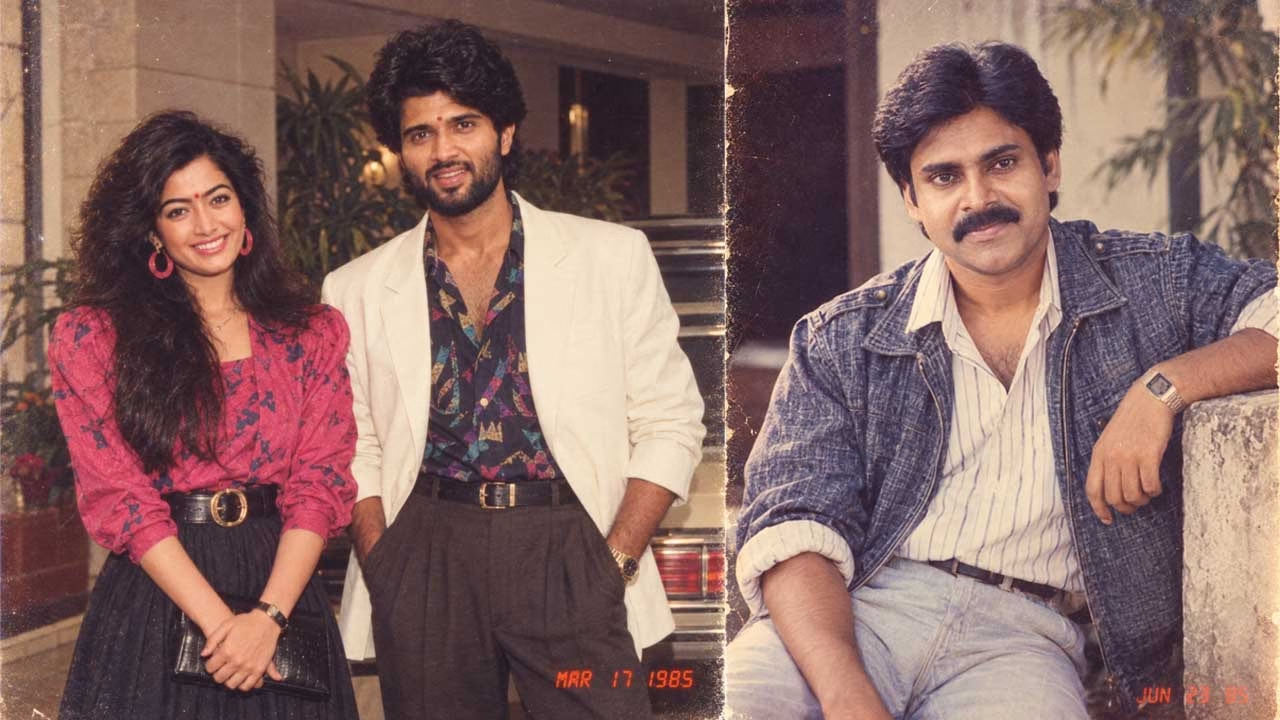
There is something unusually memorable about a photograph that looks as though it has been pulled from an old photo album. The slightly imperfect exposure, strong fashion choices, textured film surface, and unmistakable personality of the 1980s can make an ordinary portrait feel like part of a larger story. AI image creation is making it easier for today’s creators to explore that visual language without needing an original vintage camera, location, wardrobe, or elaborate production setup.
Start with the Photograph, Not the Effect
A successful transformation begins with a photograph that already has a clear subject. The person’s face, expression, posture, and overall presence give the AI enough visual information to build around. Instead of replacing these characteristics, the creative process works best when the original identity becomes the anchor for the new concept. This is especially valuable for creators who want their AI-generated portraits to remain recognizably theirs across different campaigns and platforms.
Think Like a Creative Director
The strongest AI images usually come from an idea rather than a collection of random visual effects. Before writing the prompt, decide what kind of photograph you want the viewer to believe they are seeing. Is it a casual snapshot from 1985, a fashion editorial, a personal album photograph, or a cinematic roadside portrait? That decision influences everything else, including wardrobe, framing, environment, lighting, and color. A clear creative direction prevents the AI from producing a collection of unrelated retro elements.
The Power of an Era-Specific Wardrobe
Clothing can instantly establish the time period of an image. For an 1980s-inspired portrait, denim textures, oversized jackets, high-waisted trousers, graphic shirts, bold belts, watches, chains, and statement accessories can create a strong visual vocabulary. The objective is not to make the subject wear every recognizable item from the decade. A few carefully selected pieces often communicate the period more effectively while keeping the portrait believable.
Hair Can Change the Entire Silhouette
One of the most noticeable differences between decades is hair. Large, voluminous hairstyles can alter the outline of a portrait before the viewer even notices the clothing. When an AI prompt describes hair as part of the overall character design rather than as an isolated modification, it can produce a more integrated result. The hairstyle should complement the face and clothing instead of appearing artificially attached to an otherwise modern portrait.
Build a World Around the Subject
A convincing retro portrait needs an environment that supports the styling. An old car, roadside landscape, faded building, dusty street, indoor room with period furniture, or sunlit outdoor location can provide visual context. These surroundings help the image communicate a story. A person in vintage clothing standing in a completely modern environment may look like someone wearing a costume, while a coordinated setting makes the transformation feel intentional.
Imperfection Makes Digital Images Feel Analog
One of the interesting challenges of AI photography is making an image that looks less digitally perfect. Vintage film is valued partly because it contains characteristics that modern cameras often try to eliminate. Fine grain, mild softness, faded highlights, uneven exposure, subtle scratches, light leaks, and restrained color shifts can introduce that sense of age. These details should remain secondary to the portrait. If the effects become too strong, the photograph can start looking like a decorative filter rather than an authentic period image.
Composition Should Tell the Viewer Where to Look
A professional portrait does not require an elaborate background if the composition is controlled. Placing the subject prominently in the frame, leaving intentional negative space, and using environmental elements as framing devices can make the result more cinematic. The viewer should naturally notice the face first and then discover the clothing, setting, and photographic details. This hierarchy is useful for social media graphics because a strong focal point remains effective even when the image is viewed quickly on a small screen.
Why This Style Appeals to Digital Creators
Retro-inspired AI imagery gives creators an opportunity to move away from generic studio portraits. A distinctive visual direction can help a portfolio, creator profile, or social campaign develop its own personality. It can also provide a flexible concept for producing a series of related images. The same person might appear in different locations or outfits while retaining a consistent photographic language, making the collection feel designed rather than randomly generated.
Using the Prompt as a Creative Foundation
A short prompt can be enough to establish the basic direction, but creators can treat it as the first layer of a larger visual concept. The following version captures the central idea while leaving room for the AI tool to interpret the details:
Prompt
Transform the photo into a classics 80 retros vintage fashion, big hair, denim vibe and the old film aesthetic.
Prompt PDF
From One Portrait to a Complete Visual Series
The real creative opportunity begins after the first successful image. Once a particular combination of styling, lighting, composition, and film treatment works well, the same visual language can be adapted into additional portraits, banners, campaign artwork, profile images, and portfolio pieces. Consistency does not mean making every image identical. It means carrying recognizable characteristics from one image to another while allowing the setting and story to change. That approach can turn AI-assisted photography into a practical part of a creator’s visual identity rather than a one-time experiment.