The internet no longer rewards visuals that simply look attractive. Today’s digital creators are building identity-driven imagery that instantly communicates personality, emotional tone, and creative positioning before a single word is read. Across portfolio websites, Instagram pages, YouTube thumbnails, and personal brand campaigns, cinematic AI portraits are becoming a signature format because they combine storytelling, fashion styling, cultural identity, and dramatic visual depth into a single frame. The rise of premium AI image tools has accelerated this shift, allowing creators to produce studio-grade visuals without expensive photography setups or production teams.
Why Cinematic AI Portraits Feel More Authentic Than Traditional Edits
One reason this visual style is growing rapidly is because it avoids the overly polished appearance that once dominated AI-generated images. Instead of unrealistic perfection, modern cinematic prompts focus on emotional realism. Small details like textured clothing, subtle facial expressions, controlled shadows, and directional lighting create a believable atmosphere that feels handcrafted rather than artificially generated. This makes viewers emotionally connect with the image for longer periods, especially on social platforms where attention spans are extremely short.
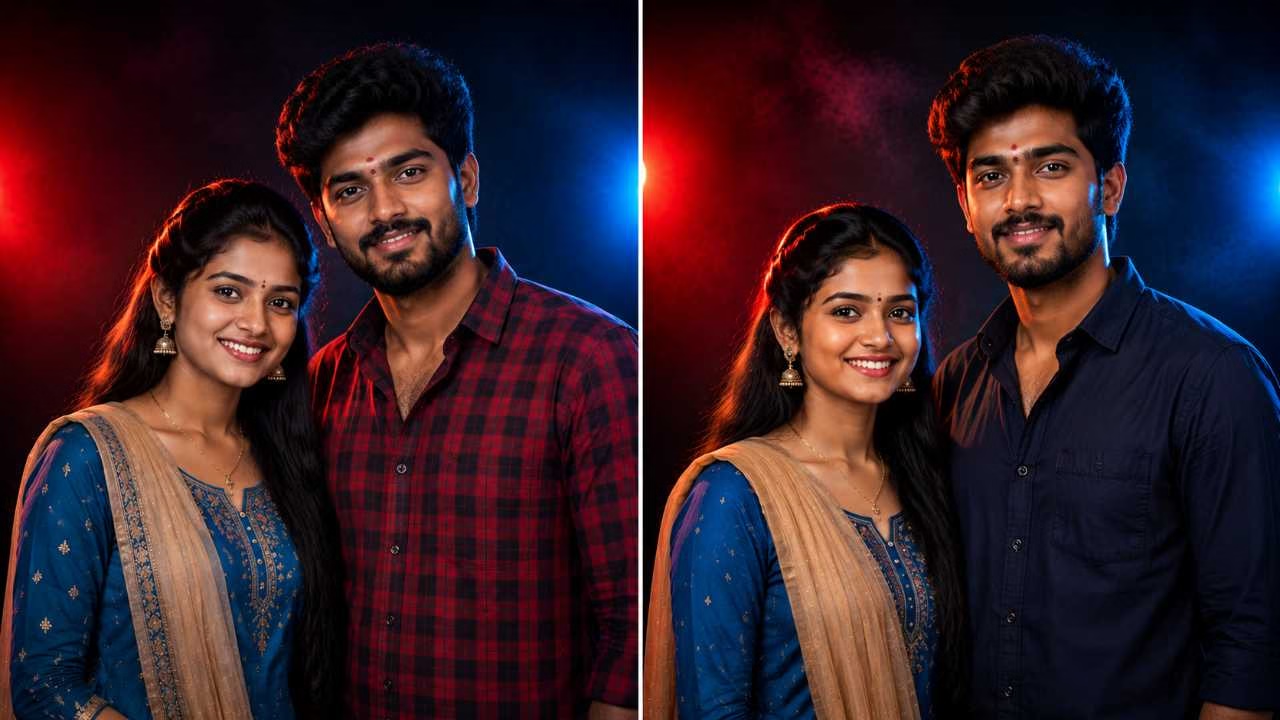
The prompt above demonstrates this transition clearly through its focus on relatable styling and regional identity. The couple is not designed like movie celebrities or fashion models. They appear approachable and culturally grounded, which makes the image more memorable. Digital creators are increasingly using this approach because audiences now prefer visuals that feel emotionally familiar rather than excessively glamorous.
The Importance of Regional Identity in AI Visual Culture
Another major reason this prompt stands out is its South Indian aesthetic influence. Premium AI creators are discovering that localized cultural representation performs better online than generic global imagery. Clothing choices, jewelry details, hairstyle textures, forehead tilak placement, and Tamil typography all contribute to a stronger visual identity. These elements transform the image from a standard portrait into a culturally recognizable composition.
This trend is becoming highly important for creators building regional audiences. Instead of copying Western studio aesthetics, many AI artists are now integrating traditional Indian styling with cinematic production techniques. This hybrid presentation creates a fresh visual language that feels modern while still preserving cultural familiarity. As a result, creators are developing stronger audience trust because their visuals reflect lived identity rather than borrowed trends.
Studio Lighting Has Become the Signature of Premium AI Artwork
Lighting now plays a larger role in AI image creation than facial detail alone. In high-end prompts, dramatic rim lighting creates separation between subjects and background, giving images a layered cinematic appearance. The red and blue side lighting mentioned in this prompt is especially popular because it creates emotional contrast while maintaining visual balance.
Digital portfolio designers often use this technique to make portraits appear premium and editorial. The red lighting adds warmth and emotional intensity, while the blue introduces calmness and depth. Together, they create a visually dynamic frame that looks professionally color-graded. This type of lighting treatment also performs well on mobile screens because strong edge contrast immediately captures viewer attention while scrolling.
Character Styling Is Replacing Generic AI Beauty Standards
Earlier AI portraits focused heavily on unrealistic beauty enhancement, but today’s professional creators prioritize personality-based styling. The checked shirt, simple chain necklace, jhumka earrings, and neatly styled hair in this prompt help define character identity rather than merely improving appearance. These styling choices tell viewers something about the subjects before any caption is read.
This shift matters because audiences are becoming more visually literate. People can quickly identify when an image lacks emotional intention. Character-driven styling helps AI-generated visuals feel curated and purposeful. Social media creators, especially in lifestyle and relationship content niches, are using this approach to create stronger audience attachment and brand recall.
Typography Inside Images Is Becoming a Core Branding Element
The inclusion of the Tamil text “அண்ணன் தங்கச்சி” inside the composition reflects another growing design trend. Instead of placing titles separately in thumbnails or captions, creators are integrating typography directly into cinematic scenes. This creates a stronger visual hierarchy and gives the artwork a poster-like quality.
Typography within AI-generated portraits is now being used to establish identity themes, relationship concepts, emotional categories, and cultural context. When done correctly, it enhances storytelling without distracting from the subjects. This is especially effective for creators producing family content, cinematic edits, short-form videos, or emotional storytelling pages where instant recognition matters.
Why the 9:16 Format Dominates Modern AI Visual Design
The vertical 9:16 aspect ratio is no longer limited to mobile videos. It has become one of the most influential formats in AI-generated visual design because nearly every major platform prioritizes vertical engagement. Instagram Reels, YouTube Shorts, Facebook Stories, and mobile portfolio apps all reward vertically optimized visuals.
Creators now build AI prompts specifically for vertical framing. This affects pose positioning, lighting spread, text placement, and background depth. In cinematic portrait generation, vertical composition also creates stronger emotional focus because the subjects occupy more visual space. The result feels immersive and personal, which increases retention and audience interaction.
Premium AI Tools Are Changing Creative Career Building
Professional AI visuals are no longer used only for entertainment. Freelancers, editors, digital artists, influencers, and personal branding creators now use cinematic AI portraits to establish professional identity online. A well-crafted AI image can shape first impressions across multiple platforms, influencing how audiences perceive creativity, professionalism, and visual consistency.
This is why premium AI tools have become valuable to creators who want faster production without sacrificing presentation quality. Instead of spending days organizing photoshoots, many creators now refine prompt engineering skills to produce consistent visual branding across social media banners, thumbnails, profile images, and promotional campaigns.
Prompt
A highly detailed, cinematic-style 4K photo of a young South Indian couple standing side by side, smiling lovingly at the camera. The woman is wearing a blue traditional outfit with a light brown dupatta, neatly styled long black hair, jhumka earrings, and a simple chain necklace. The man is wearing a red and black checked shirt, with stylish thick hair, a light beard, and a small tilak on his forehead. The background is a dark studio backdrop with dramatic red and blue rim lighting coming from both sides, creating a vibrant visual effect. Behind them, the text “அண்ணன் தங்கச்சி” should appear. Aspect ratio: 9:16.
The future of AI-generated portrait design will likely move even deeper into emotionally recognizable storytelling. Instead of chasing technical perfection alone, creators are learning how to combine cinematic composition, cultural symbolism, realistic lighting, and identity-focused styling into visuals that audiences instantly remember. Prompts like this represent more than aesthetic experimentation; they reflect how digital creators are using AI to build long-term visual identity systems that feel personal, cinematic, and culturally connected at the same time.