A wedding portrait no longer needs a ballroom backdrop or a staged studio frame to feel cinematic. With the rise of advanced AI image tools, couples are turning ordinary reference photos into deeply stylized visual stories that look closer to magazine art than traditional photography. One prompt in particular is attracting attention for its ability to transform South Indian wedding images into dark aesthetic scrapbook-style collage posters while preserving the identity and realism of the people in the frame.
Why Dark Aesthetic Wedding Posters Feel More Emotional
Most wedding edits focus on brightness, glowing skin, and decorative effects. Dark aesthetic collage art works differently. Instead of trying to make the image look polished in a commercial way, it builds atmosphere. Shadows, textured layers, torn-paper styling, muted tones, and cinematic contrast create a feeling of memory rather than documentation. The final image feels personal, almost like a preserved page from a visual diary.
This style works especially well for South Indian wedding portraits because traditional attire already carries rich textures and deep colors. Silk sarees, temple jewelry, floral garlands, and embroidered sherwanis naturally blend with moody visual themes. AI tools are now capable of enhancing these details without making the image look artificial or over-edited.
The Prompt That Changes the Entire Mood
The strength of the process comes from the prompt itself:
“Create a high-quality dark aesthetic scrapbook-style collage poster of a South Indian wedding couple using the provided reference image. Maintain strict face preservation, natural skin tones, and realistic facial features.”
At first glance, the wording appears simple, but every phrase guides the AI toward a specific creative direction. “Dark aesthetic” controls lighting and atmosphere. “Scrapbook-style collage” instructs the system to build layered artistic elements instead of generating a plain portrait. The most important part is “strict face preservation,” which prevents the AI from replacing or reshaping the identities of the couple.
Why Face Preservation Matters More Than Filters
Many AI-generated portraits fail because they accidentally alter facial structure. Eyes become uneven, smiles shift unnaturally, or skin starts looking synthetic. In wedding photography, that instantly breaks emotional authenticity. Modern AI image platforms now use advanced reference-based generation systems that understand facial mapping rather than just copying pixels.
When paired with a strong prompt, the tool can retain real expressions, natural skin texture, and subtle facial details while still transforming the overall visual environment. This creates a balance between realism and stylization, which is difficult to achieve with normal editing software.
How the Scrapbook Style Creates Depth
The scrapbook effect is not just about adding random overlays. Good AI tools interpret collage art structurally. They introduce layered framing, grain textures, paper tears, handwritten-style accents, shadow stacking, and cinematic spacing between elements. Instead of looking like a simple edited photo, the final output resembles a handcrafted poster designed by a digital artist.
What makes this interesting is that AI does not repeat the same layout every time. The composition changes based on posture, clothing, lighting, and facial direction in the original image. This makes each generated poster feel unique even when the same prompt is reused.
Choosing the Right Reference Image
The quality of the reference image heavily influences the output. Wedding photos with natural lighting and visible facial clarity usually produce the best results. Images where both individuals are looking slightly toward the camera tend to preserve expressions more accurately during generation.
Another overlooked factor is emotional expression. AI tools respond strongly to visible mood cues. A calm smile, soft eye contact, or candid interaction often generates more cinematic collage art compared to stiff studio poses. The system interprets emotional signals and reflects them through lighting balance and texture placement.
Why Super Good AI Tools Perform Differently
Not all AI image generators understand cultural details properly. Some tools struggle with traditional South Indian attire and accidentally replace jewelry patterns, alter saree textures, or westernize facial features. High-quality AI systems trained on broader visual datasets are better at maintaining regional identity while applying artistic transformations.
The difference becomes visible in smaller details. Gold ornaments remain sharp instead of melting into the background. Jasmine flowers retain texture. Fabric folds appear realistic. Skin tones stay natural rather than over-smoothed. These subtle improvements separate professional-looking AI artwork from generic AI edits flooding social media.
The Rise of Cinematic Personal Posters
Wedding photography is slowly moving beyond albums and framed prints. Couples now want stylized digital artwork that reflects personality rather than just documentation. AI-generated collage posters fit perfectly into this shift because they combine realism with artistic storytelling.
Many creators are also using these posters for invitations, anniversary edits, room décor, and social media banners. The visual language feels modern without losing emotional warmth. Instead of appearing like a commercial wedding advertisement, the image feels intimate and narrative-driven.
How AI Understands Mood Through Language
One of the most fascinating aspects of modern image generation is how descriptive language influences visual behavior. Words like “dark aesthetic,” “realistic,” and “scrapbook-style” are not decorative instructions. They trigger entirely different rendering pathways inside the AI model.
This means prompt writing itself has become a creative skill. Small wording changes can shift the final image from cinematic realism to fantasy art. The best prompts avoid excessive complexity and instead focus on visual intent. Precision usually works better than overloaded instructions.
Avoiding the Overprocessed AI Look
A common mistake in AI editing is pushing the image too far into surreal territory. Excessive glow effects, plastic skin, unrealistic eye sharpening, and hyper-saturated tones make portraits lose emotional credibility. Strong AI tools succeed when viewers cannot immediately tell whether the image was manually designed or AI-generated.
That is why natural skin tones and realistic facial preservation are critical instructions in the prompt. They anchor the artwork in reality while allowing the environment and composition to become visually dramatic.
Prompt:
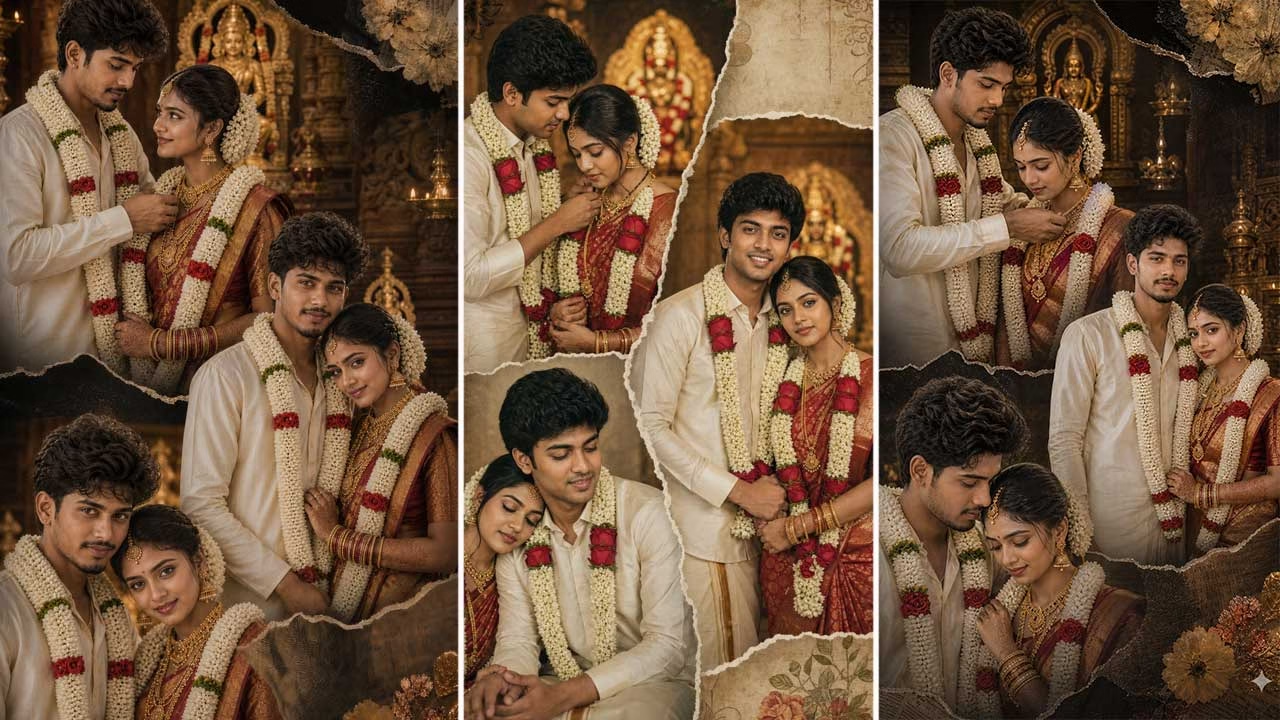
A cinematic South Indian wedding collage featuring a young couple in traditional attire, designed in a old vintage torn-paper layout. The groom is a slim young man with short wavy hair, faint mustache and light beard, wearing an off-white silk shirt and a traditional white dhoti, along with a jasmine and red rose garland. The bride is a young woman with smooth skin, expressive eyes, neatly tied bun decorated with jasmine flowers, wearing a rich red and gold silk saree, traditional temple jewelry including maang tikka, necklace, earrings, bangles, and matching floral garland. Scene 1 (top left): The groom gently tying the yellow rope mangalsutra around the bride’s neck, both looking down with soft, emotional expressions. Scene 2 (right side): The couple standing together posing, the bride leaning slightly on the groom’s shoulder, both looking at camera calmly. Scene 3 (bottom left): An intimate moment where the bride rests her head on the groom’s shoulder, eyes closed, peaceful expression.
Background: A softly blurred golden temple interior with a visible deity statue, warm ambient lighting, creating a divine atmosphere. Style: Vintage cinematic color grading, warm golden-brown tones, soft shadows, high detail skin texture, shallow depth of field. Composition: Collage layout with torn paper edges separating the three scenes, textured paper overlay, subtle floral decorations and antique design elements.Lighting: Soft diffused studio lighting mixed with warm temple glow, highlights on jewelry and faces. Quality: Ultra-realistic, 8K resolution, sharp focus, professional wedding photography style, DSLR look, bokeh background. Aspect Ratio: 9:16
The Future of Personalized AI Art
AI image generation is gradually evolving from novelty content into a creative production method. What once required multiple editing applications, texture packs, and hours of compositing can now be guided through carefully written prompts and a strong reference image. Yet the real power still depends on human creative direction.
The most memorable AI-generated wedding posters are not the ones with the most effects. They are the ones that preserve identity, culture, emotion, and atmosphere at the same time. When the technology disappears behind the feeling of the image, the artwork stops looking generated and starts feeling timeless.