Some AI-generated movie posters try too hard to look grand. They overload the frame with dramatic lighting, exaggerated poses, and unrealistic color grading. This prompt works differently. Its strength comes from intimacy. Instead of creating spectacle, the composition focuses on quiet emotional tension between two people standing close to each other inside a familiar domestic environment. That immediately makes the visual feel more believable and emotionally readable.
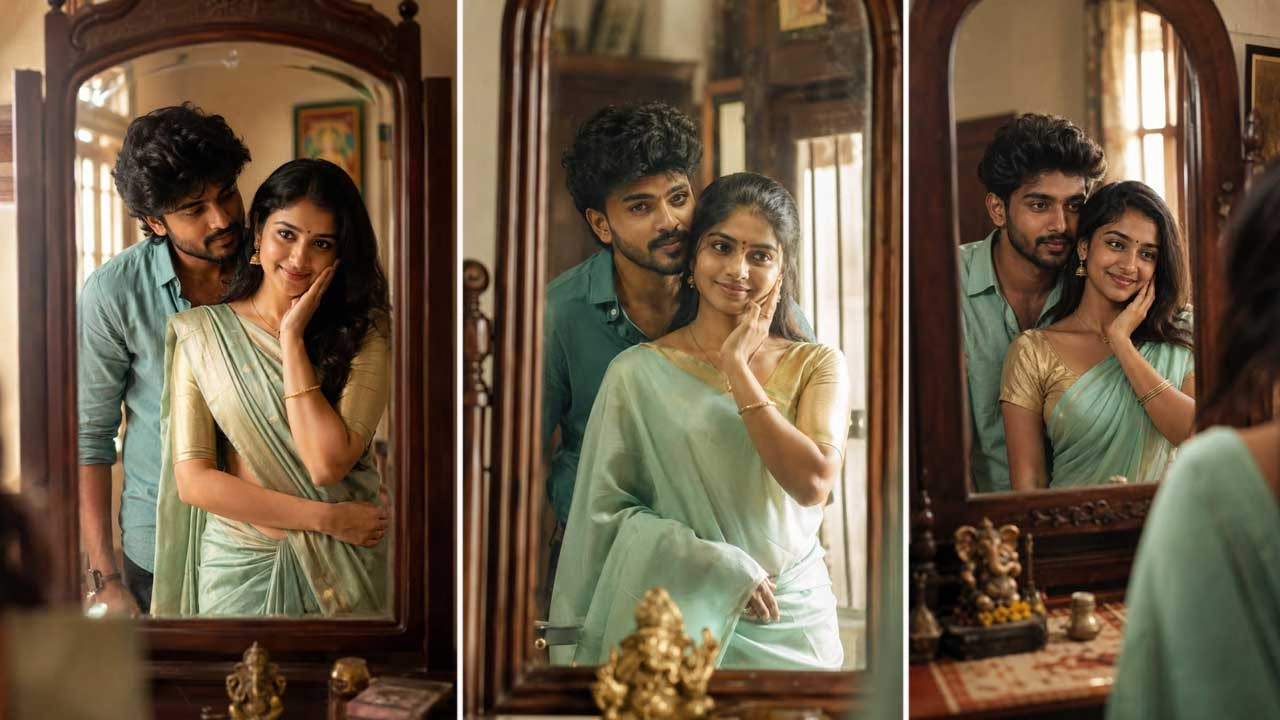
The mirror setup is one of the smartest creative decisions in the prompt. Mirrors naturally create layered storytelling inside romantic film posters because they allow the audience to observe both direct emotion and reflected emotion at the same time. In this case, the mirror becomes more than a prop. It creates emotional distance and closeness simultaneously, which is something many South Indian romantic dramas rely on visually.
The Importance of Posture and Body Language
The pose itself carries the emotional weight of the image. The man standing slightly behind the woman creates a protective and affectionate framing without making the composition feel overly dramatic. Meanwhile, the woman touching her cheek with a shy smile introduces softness into the scene. These gestures feel inspired by romantic poster traditions commonly seen in Tamil cinema during quieter relationship moments rather than high-energy promotional stills.
AI image models tend to perform surprisingly well with emotional posture when prompts focus on restrained expressions instead of exaggerated romance. Small gestures like lowered eyes, relaxed shoulders, and subtle smiles usually create more convincing results than highly dramatic poses. This prompt benefits from that restraint because the emotional tone feels naturally domestic instead of artificially staged.
How Character Positioning Shapes Visual Hierarchy
The positioning of the two characters creates a clear visual hierarchy without making the composition feel stiff. The woman naturally becomes the emotional center because of the mirror focus and softer posture, while the man acts as a framing presence supporting the emotional atmosphere around her.
This layered positioning is common in romantic film posters where intimacy is suggested through distance control rather than dramatic interaction. The composition allows viewers to emotionally read the relationship without needing action-heavy storytelling.
How Costume Styling Shapes the Mood
The wardrobe choices play a major role in establishing the atmosphere. The pastel mint-green silk saree paired with a golden blouse immediately creates a warm South Indian visual identity without becoming visually loud. Silk fabrics respond beautifully to AI rendering because the folds catch soft lighting in a natural way, adding richness to the frame without needing excessive ornamentation.
The teal-green shirt worn by the male character also balances the composition intelligently. Instead of competing visually with the saree, it complements the softer color palette. This kind of coordinated costume styling is common in romantic film posters where both characters need to feel emotionally connected through color harmony rather than dialogue or action.
Why AI Handles Silk and Fabric Textures So Well
Modern AI image generators have become remarkably effective at rendering silk folds, soft cotton textures, and layered clothing depth. Fabric surfaces create natural lighting variations, which help the image feel visually rich. In romantic posters like this, the saree becomes part of the emotional atmosphere because the flowing folds soften the overall composition.
At the same time, AI can occasionally overprocess fabric details. Saree borders may become too symmetrical, folds may appear unnaturally perfect, or gold reflections may look slightly plastic under warm lighting. Those small imperfections are common in highly polished AI poster renders and can sometimes reduce realism if the image is oversharpened.
The Role of Warm Lighting and Bedroom Atmosphere
Lighting is one of the strongest elements in this prompt. Warm sunlight entering through a bedroom window immediately creates nostalgia. Instead of using dramatic artificial lighting, the scene relies on natural indoor softness. That decision makes the poster feel emotionally lived-in rather than commercially staged.
The traditional wooden bedroom setting also matters more than people realize. Wooden textures absorb warm lighting beautifully, especially in AI-generated compositions. Antique furniture, dressing tables, and soft shadows create environmental depth that helps separate the image from generic studio portraits. The room itself begins to feel like part of the story.
How AI Creates Atmospheric Depth Using Shadows
AI image tools have become increasingly skilled at using layered shadows to simulate environmental realism. Instead of keeping every corner evenly lit, modern rendering systems allow darker areas around furniture, mirrors, and walls to create depth naturally.
That shadow layering is important because it prevents the image from looking flat. Romantic posters depend heavily on visual softness, and controlled shadows help the atmosphere feel more believable and emotionally warm.
How Mirrors and Reflections Add Emotional Complexity
Mirror reflections create layered visual storytelling inside the frame. The audience sees both the couple and their reflected emotional connection simultaneously, which naturally increases visual engagement. Romantic posters often use mirrors because they add intimacy without requiring physical movement or dramatic action.
AI models usually render reflections convincingly when the framing remains simple and emotionally focused. However, reflections can still become inconsistent if the pose is too complicated. Facial alignment inside mirrors sometimes appears slightly distorted, especially around eyes or jawlines, which is one of the common rendering mistakes viewers notice quickly.
Why Reflections Make Romantic Posters Feel More Cinematic
Reflections create emotional layering because viewers observe the couple indirectly rather than through straightforward framing. That indirect observation feels visually poetic and adds softness to the relationship dynamic shown inside the poster.
Many Tamil romance posters use reflective surfaces like mirrors, windows, or water because they create emotional depth without relying on dramatic gestures. This prompt follows that visual tradition very naturally.
The Importance of Small Cultural Details
The inclusion of a small Ganesha idol on the dressing table is a subtle but powerful environmental detail. Without it, the poster could feel like a generic romantic portrait. That single cultural element grounds the composition inside a recognizable Tamil household atmosphere.
Film posters often rely on these tiny background details to communicate social setting and emotional familiarity. The idol quietly reinforces domestic warmth without distracting from the couple. AI-generated posters become far more convincing when cultural objects feel naturally placed instead of inserted as decorative symbolism.
How Environmental Props Influence Authenticity
Props inside AI-generated posters can completely change how believable the image feels. Traditional wooden furniture, brass objects, religious idols, and soft household textures create familiarity that audiences subconsciously recognize immediately.
When AI tools overdecorate scenes with unnecessary objects, the result often feels artificial. This prompt avoids that problem by keeping environmental details restrained and emotionally purposeful.
Why This Prompt Feels Closer to a Film Poster Than a Social Media Edit
What separates this prompt from ordinary AI couple portraits is its understanding of atmosphere. The image is not trying to create viral shock value or exaggerated romance. Instead, it focuses on emotional realism, cultural familiarity, and carefully controlled visual warmth.
The result feels closer to a promotional still from a Tamil romantic drama than a generic AI-generated social media edit. The combination of mirror framing, restrained body language, warm household textures, and carefully balanced costume colors gives the composition a thoughtful visual identity that many AI portraits fail to achieve.
The Prompt
Ultra-realistic cinematic South Indian romantic mirror portrait in a traditional wooden bedroom, using the uploaded image as reference for the boy. A handsome young Tamil man with textured hair, trimmed beard, expressive eyes, and a soft teal-green shirt stands closely behind a beautiful woman in a pastel mint-green silk saree with a golden blouse. She gently touches her cheek with a shy smile as both gaze lovingly into an antique wooden mirror. Warm sunlight streams through the window, creating a soft glow, dreamy reflections, creamy bokeh, shallow depth of field, realistic skin texture, detailed silk folds, cozy Tamil home ambience, vintage dressing table with a small Ganesha idol, cinematic DSLR 85mm photography, earthy warm tones, vertical 9:16, hyper-realistic 8K.
The most effective AI-generated posters are usually the ones that understand emotional atmosphere better than technical spectacle. This prompt succeeds because it treats romance as something quiet and observational rather than exaggerated. The visual language feels rooted in familiar Tamil domestic spaces, which is exactly why the composition leaves a stronger impression than many louder AI-generated poster styles currently trending online.