Some AI portraits are consumed for a few seconds and forgotten immediately. Others stay in memory because they feel emotionally designed rather than digitally generated. The new cinematic watercolor portrait trend belongs to the second category. Instead of focusing only on realism, creators are building layered visual identities using soft watercolor atmospheres, monochrome overlays, cinematic lighting, textured paper effects, and emotionally controlled facial expressions. These artworks are beginning to shape how digital personalities present themselves online.
Editorial Poster Energy Is Replacing Traditional Profile Photos
A major shift happening in creator culture is the movement away from normal portrait photography toward poster-style identity artwork. The reason is simple. A standard photo documents appearance, but a cinematic watercolor portrait communicates mood, personality, ambition, and artistic taste simultaneously.
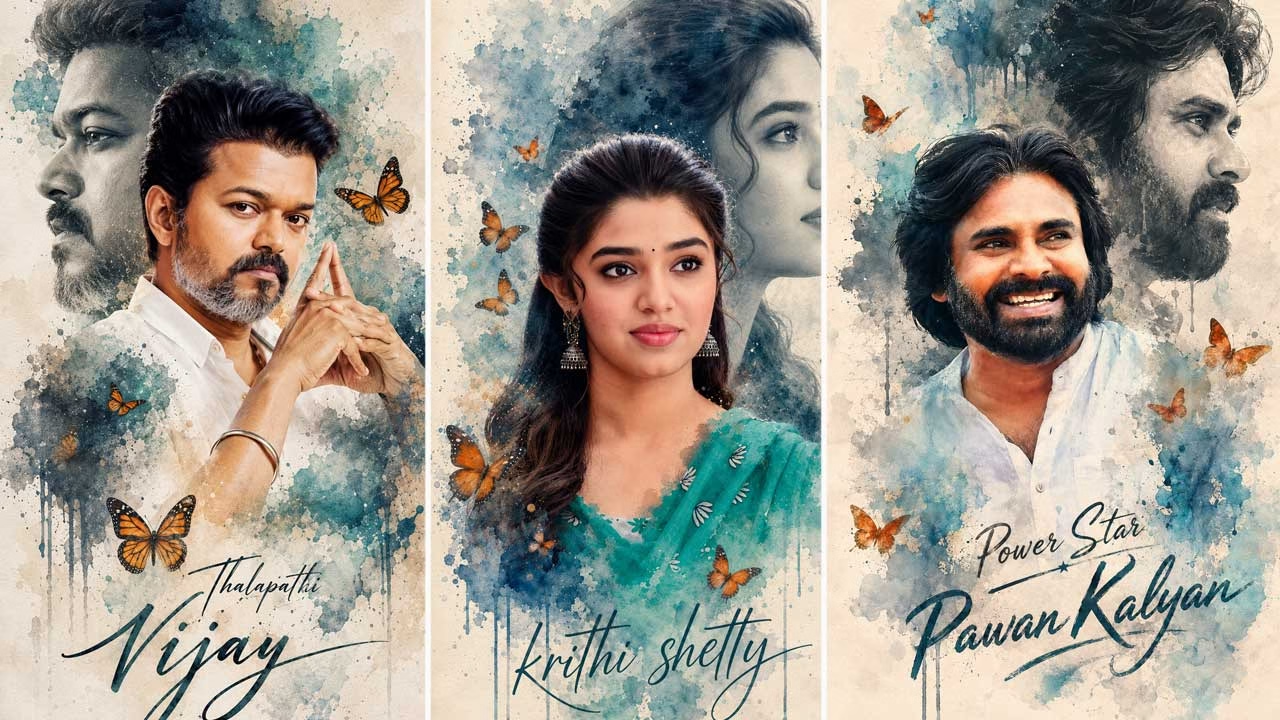
This prompt style creates the feeling of a luxury streaming-series poster or a premium music album cover. The centered composition, shallow focus, and dramatic side-profile layering produce visual intensity that ordinary portraits cannot achieve. That is why many creators are replacing conventional profile pictures with AI-generated editorial portraits across YouTube, Instagram, Behance, and portfolio websites.
The Watercolor Treatment Changes the Emotional Tone
Watercolor illustration effects play a deeper role than simple visual decoration. In AI artwork, hyper-realistic rendering alone can sometimes feel emotionally cold because every surface appears mathematically perfect. Watercolor textures soften that precision. Ink stains, faded pigment diffusion, and subtle paper grain introduce a sense of imperfection that feels closer to traditional hand-crafted artwork.
The soft cream canvas background in this prompt is especially important because it absorbs the harsh digital sharpness normally seen in AI-generated imagery. Combined with abstract paint drips and watercolor splashes, the portrait begins to feel timeless rather than algorithmic.
Monochrome Side Profiles Create Visual Storytelling
One of the most powerful details in this prompt is the faded monochrome side profile positioned behind the main portrait. This design technique gives the artwork a layered psychological quality. Instead of presenting a single emotional state, the composition suggests memory, ambition, reflection, or transformation.
Modern digital creators are increasingly attracted to this structure because it makes the artwork feel cinematic without needing complex scenery. The viewer instantly senses depth and narrative inside the frame. In many ways, this technique resembles luxury movie poster design where multiple emotional dimensions are represented within one image.
Facial Precision Is Now a Core Requirement
AI-generated portraits used to prioritize style over identity accuracy. That trend has changed dramatically. Creators now want exact facial resemblance while still maintaining artistic transformation. Prompts like this specifically emphasize ultra sharp eyes, detailed skin texture, natural hairstyle structure, and refined beard detailing because visual recognition has become essential in personal branding.
Platforms such as Midjourney and Flux are especially valued for their ability to maintain strong facial realism while handling complex artistic effects like watercolor fusion and cinematic lighting. Creators no longer accept distorted AI faces because these portraits are increasingly tied to professional identity rather than casual experimentation.
Cinematic Lighting Makes the Artwork Feel Expensive
The soft cinematic lighting in this prompt is one of the biggest reasons the final portrait feels premium. Lighting in AI art is no longer just about visibility. It controls emotional atmosphere and perceived production quality.
Subtle light falloff around the face creates separation between the realistic facial features and the abstract watercolor environment. This separation mimics the look of high-budget portrait photography shot with professional cinema lenses. The result is an image that feels visually expensive even before viewers consciously analyze the details.
Creators using Runway and Leonardo AI often refine lighting gradients separately because cinematic illumination dramatically affects how luxurious the artwork appears across social media feeds.
Orange Butterflies Introduce Controlled Contrast
The flying orange butterflies may appear like a small decorative addition, but they perform an important compositional function. Since the artwork mainly uses cool blue, teal, and gray tones, the warm orange accents create visual interruption and movement.
Without those warm elements, the portrait could become emotionally flat. The butterflies act as focal interruptions that guide the viewer’s attention back toward the face. This type of controlled contrast is commonly used in premium editorial design because it prevents monochromatic color palettes from becoming visually lifeless.
Typography Is Becoming Part of AI Art Direction
The elegant handwritten “Thalapathi Vijay” typography inside the prompt reflects a larger transformation happening in AI-generated branding visuals. Text is no longer treated as a separate graphic design layer added after image generation. Instead, creators now build typography directly into prompts so the lettering naturally inherits the same watercolor atmosphere and cinematic texture as the portrait itself.
This integration creates stronger visual cohesion. The typography feels embedded inside the artwork rather than placed artificially on top of it. Many personal branding creators prefer this approach because it makes their name or identity feel organically connected to the artistic presentation.
Premium AI Workflows Are Becoming Multi-Layered
Professional creators rarely depend on a single AI tool anymore. High-end portrait workflows now involve multiple premium systems working together for different parts of the image creation process.
A creator may generate the base composition using Midjourney, refine facial consistency using Adobe Firefly, improve cinematic motion and atmosphere with Runway, and finalize watercolor detailing through external editing pipelines. This layered workflow is becoming common because prompts with double exposure structures and watercolor fusion require advanced control over textures, lighting, and identity preservation.
Prompt Used:
Ultra detailed double exposure watercolor portrait artwork of a stylish Indian male/female subject based on the uploaded reference photo, realistic face with sharp expressive eyes, detailed skin texture, natural hairstyle, confident serious expression, looking sideways, front-facing portrait blended seamlessly with a large faded monochrome side profile in the background, artistic double exposure composition, watercolor splash effects, ink bleed textures, abstract paint drips, soft blue teal gray watercolor stains, flying orange butterflies around the subject, soft cream textured paper canvas background, cinematic soft lighting, hyper realistic facial features, emotional fine art poster style, elegant composition, highly detailed beard/hair details, dreamy watercolor atmosphere, modern digital watercolor painting, subtle grunge texture, smooth color blending, premium editorial artwork, centered composition, shallow depth of field, ultra sharp focus on face, masterpiece quality, 8k, realistic watercolor fusion art, aesthetic luxury portrait design –ar 9:16 –stylize 750 –quality 2. Watercolor illustration style, elegant handwritten typography “Thalapathi Vijay”, luxury style. Face should exactly match
These Portraits Are Quietly Becoming Professional Identity Systems
The most interesting aspect of this trend is that these images are no longer functioning as temporary visual experiments. They are becoming part of long-term creator identity systems. Influencers, filmmakers, musicians, designers, public speakers, and digital entrepreneurs are using cinematic watercolor portraits as recurring branding assets across thumbnails, banners, posters, websites, podcast artwork, and promotional campaigns.
This specific prompt style works exceptionally well because it merges emotional artistry with recognizability. The face remains authentic and familiar, while the surrounding cinematic watercolor atmosphere elevates the person into something visually iconic. That balance is exactly why this form of AI portrait design is rapidly becoming one of the defining aesthetics of modern digital creator culture.