A Frame That Feels Older Than the Subject
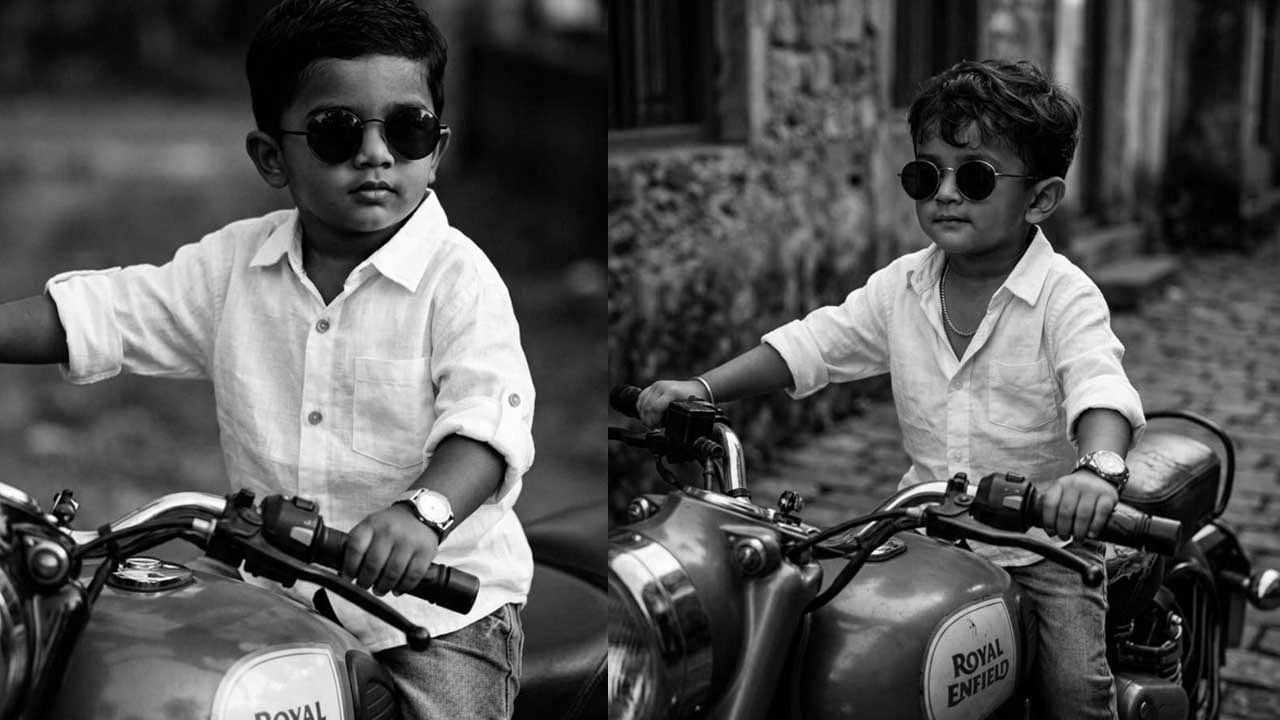
Imagine a toddler sitting on a classic motorcycle with an elegant, composed look—wearing oversized clothes, dark sunglasses, and carrying a quiet confidence that feels far beyond their age. It doesn’t look like a casual moment; it feels styled, cinematic, almost like a still from a film. If you’re wondering whether something like this can be created using AI, the answer is yes—and it can be done quite easily with the right prompt. The key is not just describing the subject, but guiding the model with precise details about framing, lighting, mood, and texture. When these elements are combined correctly, the result is not just an image, but something that feels intentionally photographed rather than generated.
Where the Image Actually Begins
What makes this image work is not complexity, but precision. The prompt builds the scene step by step, starting with a clear subject and action. “A toddler sitting on a classic Royal Enfield motorcycle” gives the model a strong foundation. Without this clarity, the output tends to drift—either the bike dominates, or the child becomes secondary. Keeping both elements tightly connected ensures the composition forms correctly from the start.
Framing That Controls Attention
The phrase “medium-close-up” quietly defines how we experience the image. It pulls the viewer close enough to feel the subject, but not so close that context disappears. When tested without this, the results often became inconsistent—either too wide, losing emotional focus, or too tight, cutting off important details like the handlebars. Adding “cinematic” further refines this, nudging the model toward more intentional framing rather than a casual snapshot. A slight variation like “wide shot” immediately changes the tone. The subject becomes smaller, the environment expands, and the emotional weight shifts away from the child. The original framing keeps everything centered and controlled.
Clothing as a Light Source
The oversized white linen shirt does more than define style—it shapes how light behaves. In a monochrome image, white fabric becomes a key visual anchor. The folds and creases catch highlights, creating contrast that separates the subject from the background. When “linen” is removed, the texture flattens. When “oversized” is removed, the silhouette becomes tighter and less expressive. Small descriptive words here directly affect how the model renders depth and realism.
Expression Without Performance
“Calm expression, looking slightly off-camera” is one of the most important lines in the prompt. It avoids the overly posed look that often appears when subjects face the camera directly. The slight turn of the head introduces distance, making the image feel observed rather than performed. Changing this to “smiling at the camera” shifts the entire mood into something more casual and less cinematic. The original phrasing keeps the tone restrained.
Light as the Defining Element
The mood of the image is almost entirely driven by lighting. “High-contrast monochrome, deep shadows, moody directional lighting” pushes the model toward dramatic contrast. This is where the cinematic feel truly forms. The shadows are not just present—they are intentional, carving out the structure of the face and clothing.
If this is replaced with “soft lighting,” the image becomes flatter and less defined. The depth disappears. Directional light, on the other hand, creates focus. It decides what is seen clearly and what fades into darkness.
Background That Knows Its Place
The background remains quiet by design. “Blurred outdoor background” ensures the environment supports the subject without competing for attention. When tested with more detailed descriptions, like “busy street” or “crowded setting,” the image quickly loses focus. The blur acts as a boundary, keeping the viewer’s attention exactly where it belongs.
Small Details That Make It Real
Details like “small silver watch” might seem minor, but they anchor the image in reality. They introduce scale, contrast, and a sense of individuality. Without such elements, the image can feel too clean, almost staged. These small additions create imperfections that make the scene believable.
Texture and Finish
The combination of “8k resolution, sharp details, film grain aesthetic” creates an interesting balance. High resolution ensures clarity, while film grain adds subtle imperfection. Removing grain results in a cleaner but slightly artificial look. Increasing it too much pushes the image toward a vintage style. The balance here keeps the image modern yet tactile.
How Small Changes Shift the Outcome
Changing even a single phrase can reshape the entire image. Replacing “moody directional lighting” with “studio lighting” makes the scene feel controlled but less natural. Switching “black and white cinematic portrait” to “color photo” removes the dramatic contrast and softens the overall impact. Even altering the subject description to something like “playful toddler” introduces movement and breaks the composed stillness that defines the original.
Prompt:
A medium-close-up black and white cinematic portrait of a toddler wearing round dark sunglasses and an oversized white linen shirt with rolled-up sleeves. The child is sitting confidently on a classic Royal Enfield motorcycle, hands on the handlebars, with a small silver watch on their wrist. Wavy hair, calm expression, looking slightly off-camera. High-contrast monochrome, deep shadows, moody directional lighting, and a blurred outdoor background. 8k resolution, sharp details, film grain aesthetic.
Rewriting the Prompt With Intent
A refined version that consistently produces strong results might read as a single, uninterrupted thought: “medium-close-up black and white cinematic portrait of a toddler wearing round dark sunglasses, sitting confidently on a classic Royal Enfield motorcycle, oversized white linen shirt with rolled-up sleeves, small silver watch, calm expression, looking slightly off-camera, high contrast monochrome, deep shadows, moody directional lighting, blurred outdoor background, sharp details, subtle film grain.” Each part serves a purpose, and together they guide the model toward an image that feels less generated and more remembered.