A new type of AI-generated image has quietly taken over Instagram reels, wallpaper pages, Pinterest feeds, and short-form video edits. Instead of flashy fantasy characters or over-processed portraits, creators are now leaning toward softer devotional visuals inspired by South Indian temple culture. Images filled with glowing oil lamps, ancient temple interiors, jasmine flowers, and quiet spiritual moments are suddenly performing extremely well across social platforms.
What makes this trend interesting is that the appeal goes far beyond technical image quality. Most viewers are not engaging with these visuals because they are impressed by AI itself. They are reacting to the atmosphere. In a digital environment filled with noise, fast cuts, and constant visual overload, these calm temple-inspired frames feel unexpectedly peaceful.
The Internet Is Slowly Getting Tired of Overstimulating Content
For a long time, internet aesthetics revolved around intensity. Social media feeds were packed with extreme color grading, dramatic poses, exaggerated lighting, and visuals designed to grab attention within a fraction of a second. That style still exists, but audiences are beginning to respond differently now. Many users seem drawn toward content that feels quieter and emotionally slower.
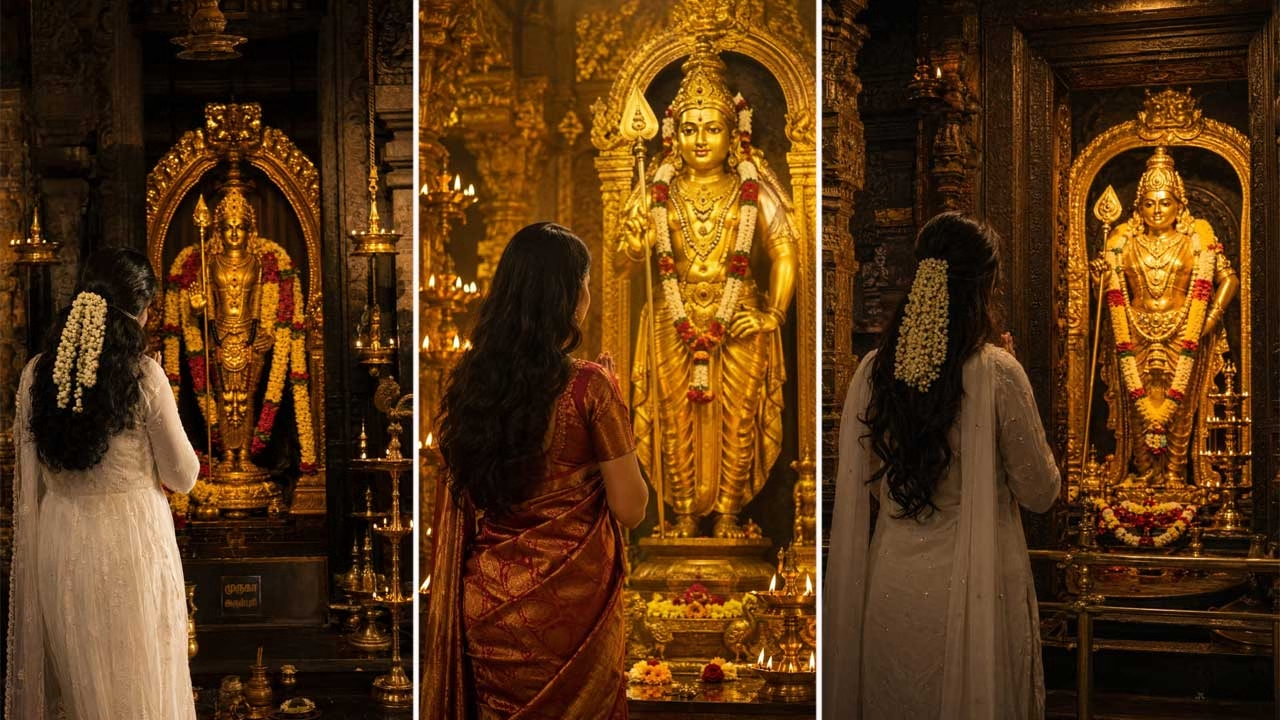
This devotional AI trend fits perfectly into that shift. A softly lit Murugan idol inside a shadow-filled temple creates a completely different emotional response compared to aggressive influencer-style imagery. The stillness itself becomes attention-grabbing. Ironically, calmness is now functioning as a form of contrast online.
Why These Visuals Feel Emotionally Familiar
One of the biggest reasons people connect with these images is familiarity. Even viewers who are not particularly religious often feel emotionally attached to temple aesthetics. Brass lamps, flower garlands, sandalwood tones, carved pillars, and jasmine flowers are deeply recognizable visual elements for many South Indian audiences.
These details do not feel random or decorative. They remind people of real experiences — early morning temple visits, festival evenings, family trips, or moments of silence during prayer. Some AI-generated frames almost resemble memories more than artwork. That emotional familiarity creates stronger engagement than purely decorative visuals ever could.
The Framing Style Makes the Viewer Feel Present
Another reason this trend works so well is the way the subject is framed. Most of these images avoid direct eye contact with the camera. Instead, the person is usually shown from behind while standing quietly in front of the deity. That small creative choice changes the entire feeling of the image.
When the viewer cannot see the subject’s face clearly, the image becomes easier to emotionally step into. The audience no longer feels like they are watching someone pose for content. Instead, they feel like they are standing inside the temple themselves. The frame becomes immersive rather than performative.
This is one reason these visuals generate strong save rates and shares on platforms like Instagram. People are not just reacting to beauty. They are reacting to mood and personal connection.
Warm Gold Tones Perform Extremely Well on Mobile Screens
Color plays a massive role in the success of this visual style. Rich amber lighting, deep shadows, soft blacks, and glowing golden highlights naturally stand out on mobile devices. Bright daylight imagery often blends into social media interfaces, but warm temple lighting creates instant visual depth.
Oil lamp illumination also creates a layered texture that feels organic rather than digitally sharp. Combined with stone carvings, brass surfaces, temple smoke, and floral decorations, the entire frame feels visually rich without becoming chaotic.
Creators have started understanding that audiences now respond better to atmosphere than visual overload. A carefully lit devotional scene often creates stronger engagement than heavily edited fantasy artwork filled with excessive detail.
Simple Styling Feels More Authentic Now
One of the most noticeable changes in AI art culture is the growing preference for restraint. Earlier AI trends often focused on impossible outfits, dramatic makeup, oversized jewelry, and unrealistic fantasy styling. Initially, audiences were fascinated by the novelty. But over time, much of it began to feel repetitive and emotionally empty.
This newer devotional style succeeds partly because it feels believable. A simple white salwar, soft embroidery, natural hair movement, and jasmine flowers create a look that feels grounded in reality. The styling supports the atmosphere instead of competing with it.
In many ways, audiences now seem more impressed by subtlety than exaggeration. Images that feel emotionally calm are beginning to outperform visuals that try too aggressively to appear impressive.
Instagram Reels Changed the Way AI Images Are Created
Modern AI visuals are no longer designed only as standalone pictures. They are built specifically for reels, vertical screens, loop edits, thumbnails, and short-form storytelling. This temple-inspired format works perfectly within that environment because every element reads clearly even during fast scrolling.
The glowing idol naturally becomes the focal point while surrounding shadows frame the composition. The viewer’s eye immediately understands where to look. That clarity matters a lot in short-form content where attention spans are extremely short.
These visuals also attract multiple audience groups at once. Some viewers connect spiritually. Others are drawn to the styling, photography mood, cultural identity, or peaceful atmosphere. That layered appeal helps the content spread organically across different communities.
Regional Culture Is Becoming a Strong Internet Aesthetic
Another major reason this trend feels fresh is because younger creators are blending AI tools with regional visual identity instead of copying generic global aesthetics. South Indian temple architecture, devotional traditions, brass lamps, jasmine flowers, and sacred spaces are becoming part of modern internet art culture.
This shift matters because people instantly recognize authenticity in visual references. Temple carvings, lamp arrangements, floral patterns, and traditional styling feel more emotionally convincing when they resemble real spaces audiences have personally experienced.
The internet is full of generic imagery. Specific cultural detail feels more human. That may be one of the biggest reasons these visuals are spreading so quickly right now.
Quiet Imagery Is Winning the Attention Battle
Perhaps the most fascinating thing about this trend is that it succeeds without relying on chaos. There are no loud expressions, exaggerated action poses, or overwhelming visual effects. The strength comes from stillness, warmth, silence, and atmosphere.
That restraint is exactly what makes people stop scrolling.
At a time when nearly every creator is competing to increase intensity, devotional AI visuals feel unexpectedly peaceful. And in today’s online environment, peaceful imagery may actually be one of the strongest engagement tools available.
Original Prompt
A serene South Indian temple scene at night, ultra realistic cinematic photography style. A young woman standing with folded hands in front of a glowing golden Murugan idol inside an ancient temple sanctum. She is wearing a simple elegant white salwar with soft embroidery, viewed from the back, with long wavy black hair decorated with traditional jasmine flowers (gajra). Warm golden oil lamp lighting, deep shadows, spiritual atmosphere, intricate temple carvings, brass lamps, flower garlands on the deity, realistic textures, devotional mood, rich amber and gold tones, highly detailed, soft cinematic focus, DSLR quality, aesthetic Instagram reel vibe, 4K ultra HD, 9:16 Ratio.