
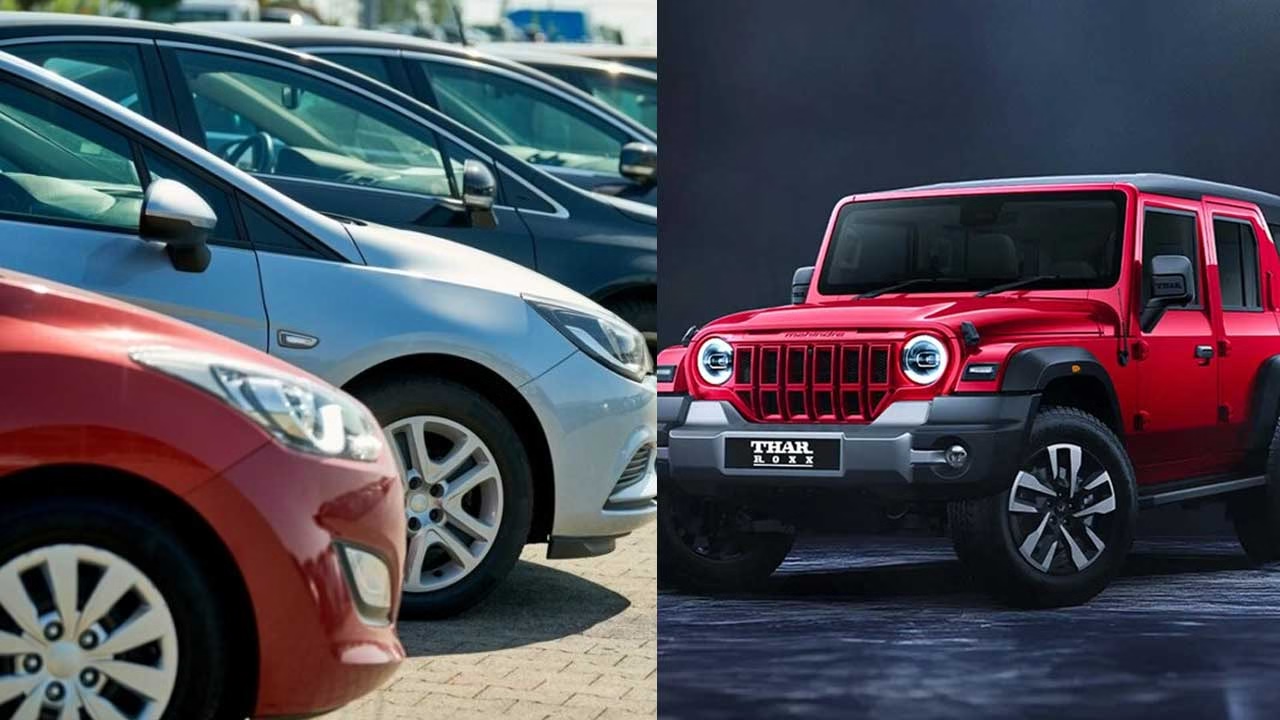
Every car on the road begins with a plan—some are bought with savings, while many are purchased through bank loans. But not every loan reaches completion. When repayments stop, banks follow a legal recovery process, and one part of that process often leads the vehicle into auction. For buyers, understanding this system can open another route to purchasing a used car through a structured and legal method.
How People Buy Cars Using Bank Loans
Buying a car through a bank loan is one of the most common methods today. Instead of paying the full amount upfront, the buyer pays a down payment and the remaining balance is funded by the bank. The buyer then repays this amount through monthly installments over a fixed period. Until the full repayment is completed, the bank keeps a financial claim over the vehicle.
What Happens When Loan Payments Stop
When a borrower misses several EMI payments, banks first issue reminders and notices. If payments continue to remain unpaid for a long period, the loan account may be classified as a default account. At this point, the bank has the legal authority to repossess the vehicle as part of the recovery process. This is a standard financial procedure followed to reduce the bank’s loss.
Why Banks Put These Cars in Auction
Banks do not keep repossessed cars for personal use or long-term storage. Their main objective is to recover the unpaid loan amount. Keeping vehicles for too long can reduce their value because of depreciation and maintenance costs. Auctioning allows the bank to recover funds faster while making the vehicle available to interested buyers through an open process.
How Buyers Can Find Bank Auction Cars
Bank auction cars are usually listed on official bank websites, auction portals, or public notices. These listings contain details such as vehicle model, reserve price, inspection date, and auction schedule. Buyers should always use verified platforms and official sources to avoid misleading offers. Authentic listings are the safest way to enter the auction process.
How the Auction Participation Process Works
To participate in a bank auction, buyers usually need to register and pay an Earnest Money Deposit, known as EMD. This deposit confirms the buyer’s interest in bidding. Once registered, buyers are often given a chance to inspect the vehicle before the auction date. This step is important because most auction vehicles are sold without warranty or post-sale support.
Why Vehicle Inspection Matters Before Bidding
The condition of a repossessed car may vary depending on how it was maintained by the previous owner. Some vehicles may be in good shape, while others may need repairs. Checking the engine, tyres, brakes, battery, and overall body condition helps buyers estimate possible maintenance expenses. Bringing a qualified mechanic during inspection can provide better clarity before placing a bid.
How to Bid Carefully in an Auction
Before bidding, buyers should study the current market value of the car and estimate any repair costs. Based on this, a realistic budget should be fixed. During the auction, it is important to stay disciplined and avoid emotional bidding. Paying beyond the actual value can reduce the practical benefit of buying through auction.
What Happens After Winning the Bid
If a buyer wins the auction, the remaining payment must usually be completed within the time given by the bank. After payment is finished, the bank provides the required documents for ownership transfer. This includes papers related to loan closure and release of the vehicle. These documents are needed for transferring the vehicle legally into the buyer’s name.
View Bank Auction Vehicles – Portal 1
View Bank Auction Vehicles – Portal 2
Important Documents Buyers Should Verify
Before finalizing the purchase, buyers should check the registration certificate, insurance status, pending taxes, traffic fines, and service records if available. Buyers should verify all legal and vehicle documents independently before participating in any auction. This step helps avoid future complications and ensures smoother ownership transfer.
Bank loan car auctions are part of a legal recovery system followed by financial institutions. Understanding how the loan process works, why vehicles are repossessed, and how auctions are conducted can help buyers make informed decisions. For those exploring used vehicle purchases, this can be one practical option worth considering after proper research and verification.