Some AI portrait prompts immediately reveal how heavily they depend on flashy keywords instead of actual visual direction. This one behaves differently. The moment the image starts rendering, the balance between painterly softness and facial realism becomes noticeable. Rather than pushing sharpness into every corner of the frame, the prompt allows certain textures to remain smooth and diffused, which makes the final artwork feel more natural.
The emotional tone also feels calmer compared to many modern romantic AI portraits that rely on exaggerated expressions and dramatic effects. Here, the atmosphere is built more through posture, eye direction, and spacing between the characters than through forced intensity. That restraint gives the artwork a more believable and polished appearance.
The Composition Feels Carefully Layered
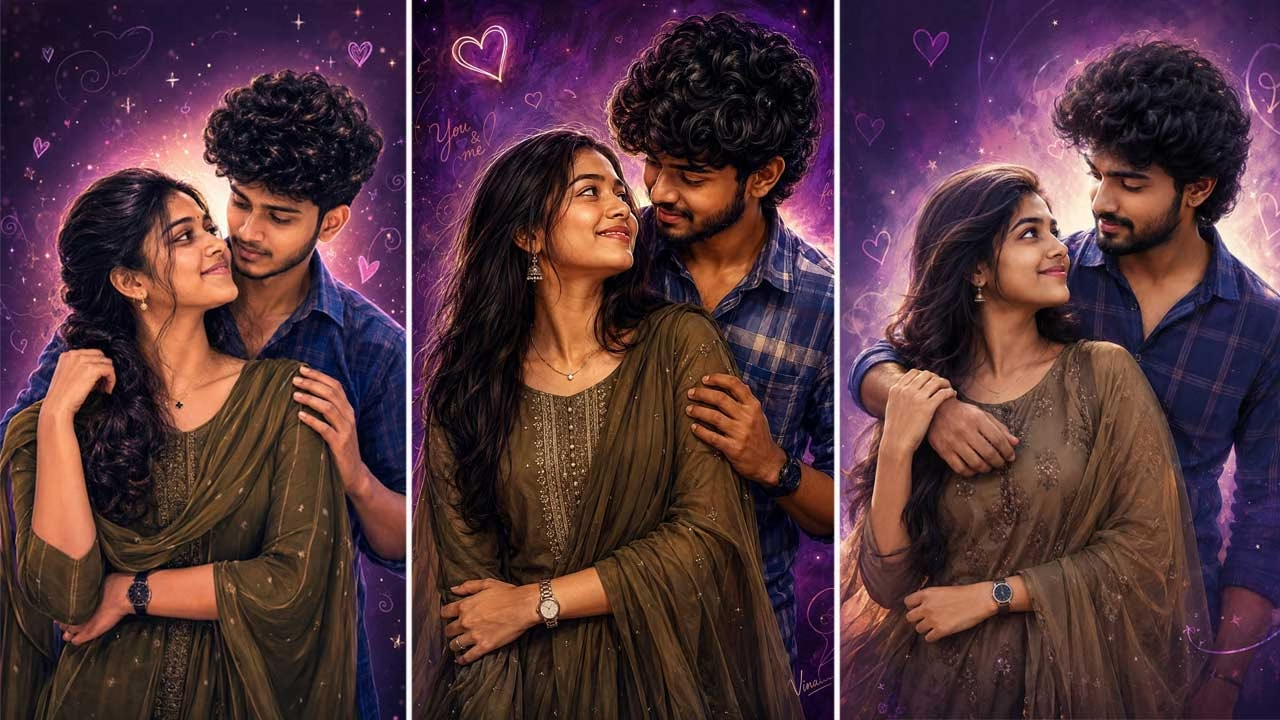
One of the strongest aspects of the prompt is the placement of the couple inside the frame. The woman standing slightly in the foreground while the man remains positioned behind her shoulder creates natural depth without making the image feel staged. AI image systems often struggle with couple positioning because body alignment can quickly become awkward or overly symmetrical. This prompt avoids that issue surprisingly well.
The framing also benefits from the vertical 9:16 format. Instead of spreading visual attention across a wide canvas, the composition stays focused on facial interaction and body posture. That narrower framing creates a wallpaper-style aesthetic that feels suitable for mobile screens and social media portraits without looking overly commercial.
Purple Lighting Changes the Entire Mood
The purple fantasy background plays a larger role than simple decoration. In many AI-generated artworks, bright fantasy tones overpower skin textures and create unnatural color contamination across the face. Here, the glow remains relatively controlled. The purple lighting softly wraps around hair edges, clothing folds, and shoulder outlines rather than flooding the entire image with saturation.
What makes the lighting more convincing is the way warmer skin tones interact with cooler environmental reflections. The faces still retain warmth while darker areas like curls and beard textures absorb subtle purple highlights from the background. That layered lighting behavior creates a more believable digital painting effect instead of a flat neon-style render.
Facial Realism Works Better Than Expected
One detail that stands out during testing is how the AI handles facial expressions. Instead of producing exaggerated smiles or overly dramatic eye contact, the render consistently leans toward softer emotional interaction. The couple appears relaxed rather than artificially posed, which helps the image feel more human.
The skin rendering also performs more naturally than expected for a fantasy-style prompt. There is enough detail to preserve realistic facial texture, but the painterly blending prevents the skin from becoming overly sharp or plastic-looking. Some generations slightly over-smooth forehead areas under heavy glow conditions, but overall the facial quality remains visually balanced.
Clothing and Texture Add Quiet Depth
The clothing design contributes more to the composition than most viewers initially notice. The olive-brown outfit works particularly well because it stabilizes the purple-heavy environment. Lighter colors would likely become too saturated under this lighting setup, but the earthy fabric tones absorb the glow more naturally.
Texture consistency is another strength. Many AI painting prompts create realistic skin while leaving clothing flat or unfinished. Here, the folds, fabric flow, and brush-like shading maintain smoother harmony across the image. Even small details like the checked shirt pattern remain relatively stable instead of dissolving into distorted textures.
The Painterly Finish Prevents an Artificial Look
One reason the artwork feels appealing is that it does not fully commit to photorealism. Completely realistic AI portraits often become visually repetitive because they focus only on detail sharpness. This prompt instead sits somewhere between portrait photography and digital illustration, which gives the image more personality.
The soft brush-stroke effect around the background glow especially helps avoid the typical AI-generated plastic texture. Edges remain slightly blended instead of unnaturally crisp, allowing the frame to feel more handcrafted. That painterly finish also gives different generations slight visual variation, making the output less predictable.
Decorative Elements Stay Mostly Controlled
Fantasy decorations like hearts, sparkles, stars, and doodles can easily become distracting if pushed too heavily. Surprisingly, most generations keep these elements soft enough to support the composition instead of overpowering it. They behave more like floating atmosphere details rather than graphic overlays pasted on top of the artwork.
There are still occasional inconsistencies. Some AI models increase contrast too aggressively, causing sparkles and doodles to appear unnaturally sharp. Lowering decorative emphasis usually improves the balance while preserving the dreamy atmosphere that makes the prompt visually appealing.
Different AI Models Interpret the Prompt Differently
The rendering behavior changes noticeably depending on the AI image model being used. Photoreal-focused systems tend to sharpen facial details and reduce the softer illustration feel. Illustration-oriented engines preserve more texture flow and smoother lighting transitions, which generally suits this prompt better.
Hair rendering also varies between systems. Curly hairstyles are difficult for AI models because dense textures often collapse into muddy shadows. This prompt performs better than average in that area, although a few generations still introduce extra sharpness around beard lines or slightly distorted hair strands during high-detail rendering.
The Prompt Feels Designed for Modern Digital Portrait Culture
A large number of AI portrait prompts now look visually identical because they recycle the same lighting styles and exaggerated visual effects. This one stands out because the emotional atmosphere comes more from composition and color interaction than from dramatic editing tricks.
The final artwork feels suitable for wallpapers, profile images, reels, and social media covers without appearing overly synthetic or template-driven. That balance between fantasy styling and controlled realism is what gives the prompt its strongest visual identity.
The Prompt
Ultra-realistic romantic digital painting of a young South Indian couple sharing a tender moment. The woman stands in the foreground wearing an elegant olive-brown salwar kameez with a matching flowing dupatta, subtle jewelry, wristwatch, and natural makeup. She smiles warmly while gazing lovingly into the eyes of the man behind her. The man has thick voluminous curly black hair, a well-groomed beard, expressive eyes, and wears a casual blue checked shirt. He stands close behind her with one arm gently around her shoulder, looking at her affectionately. Dreamy purple fantasy background with soft glowing light halo, hand-drawn hearts, sparkles, stars, and swirling doodles. Warm cinematic lighting, rich colors, smooth brush strokes, highly detailed faces, realistic skin textures, romantic atmosphere, emotional connection, painterly artwork, Instagram aesthetic, wallpaper quality, ultra-detailed, masterpiece, 4K, vibrant purple tones, soft depth of field, elegant digital art style.The model has the original face, 9:16.