Some AI image prompts feel less like instructions and more like fragments from a dream someone refused to forget. This one carries that feeling strongly. It is not simply about a couple standing near a lake in coordinated outfits. The real charm comes from the emotional balance inside the frame — the stillness of the mountains against the softness between two people.
There is something quietly theatrical about placing romance beside enormous landscapes. Mountains naturally dwarf human presence, yet in visual storytelling they often do the opposite. They make intimacy feel louder. The couple becomes the emotional center of a world that appears endless. The blue lake, the pine forest, the open daylight — none of these elements compete with the characters. They hold space for them.
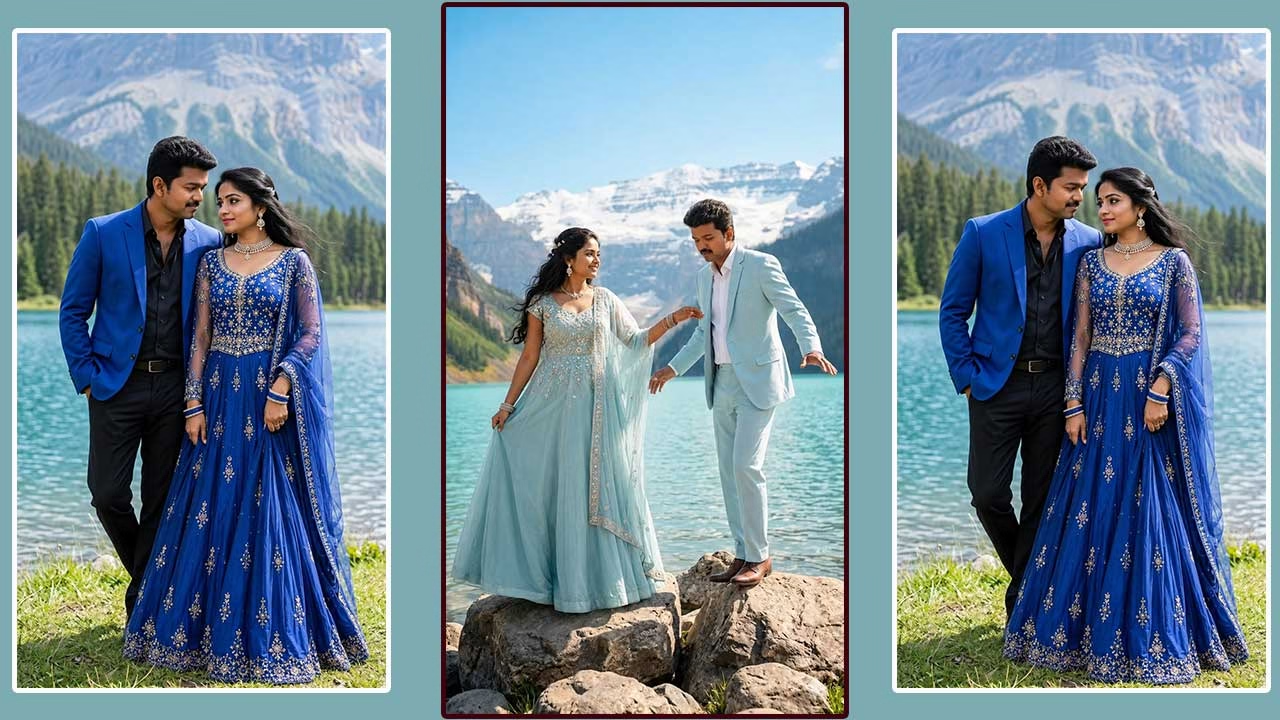
What makes the image concept memorable is the restraint hidden inside the styling choices. The man is not overly decorated. The cobalt blazer over black clothing creates a controlled contrast, almost like a visual anchor. Meanwhile, the woman’s royal blue lehenga moves in another direction entirely — softer, flowing, reflective. One outfit carries structure, the other carries movement. Together, they create rhythm without trying too hard.
The body language is where the prompt becomes emotionally intelligent. The detail about his shoulder touching hers while both hands remain inside his pockets changes the entire mood. It avoids exaggerated romance. Instead, it feels familiar, calm, slightly protective, and deeply observational. AI prompts often focus heavily on surfaces, but this one accidentally understands posture psychology. That is rare.
Blue dominates the visual atmosphere, yet the image does not feel cold. That is important. Different shades of blue can either create emotional distance or emotional safety. Here, the layering of cobalt, royal blue, silver embellishments, pale daylight, and lake reflections creates tenderness rather than isolation. The silver jewelry acts almost like reflected waterlight scattered across the composition.
There is also an interesting contrast between movement and stillness throughout the imagined frame. The mountains remain frozen and ancient. The lake appears calm. Yet the woman’s hair flows in the breeze, the dupatta drifts softly, and the subtle lean between the couple introduces quiet motion. Good visual art often depends on these tiny imbalances. Too much stillness becomes lifeless. Too much movement becomes noise.
The Romance of Open Space
Many romantic AI concepts rely on crowded luxury aesthetics — glowing lights, dense architecture, dramatic weather, overwhelming decoration. This prompt moves in the opposite direction. The openness of the lakeside becomes part of the emotional language. Empty air around characters can sometimes express closeness better than elaborate surroundings ever could.
The mountains and pine forests are not there merely for beauty. They introduce emotional scale. Against nature, the couple feels temporary, young, fragile, and alive. That contrast gives the image emotional depth beyond fashion photography. It starts feeling like a memory instead of a posed portrait.
Clothing as Personality
The wardrobe choices reveal two very different energies meeting in harmony. The blazer introduces confidence and urban polish, while the lehenga keeps the scene rooted in softness and cultural elegance. The peplum-style top is an especially interesting detail because it avoids predictable bridal styling. It gives the woman a more modern silhouette without removing grace.
Even the silver embellishments are emotionally useful. Gold would have pushed the image toward warmth and celebration. Silver keeps everything airy and slightly dreamlike. It mirrors the daylight atmosphere and strengthens the cool-toned visual identity running throughout the frame.
Why These AI Images Feel So Personal
AI-generated romantic portraits are becoming emotionally powerful because people are no longer using prompts only to create “beautiful pictures.” They are trying to generate imagined emotional realities. A pose, a glance, a fabric texture, or the way someone leans into another person becomes symbolic. These images work because they imitate memory more than reality.
There is also something deeply modern about wanting AI to recreate faces perfectly while placing those faces inside impossible visual fantasies. It reflects a very human desire: preserving identity while escaping ordinary life. The technology becomes less important than the emotional intention behind it.
The Prompt
Create an image of us copying face features perfectly where Cinematic romantic couple standing on a grassy lakeside edge with mountains and pine forest backdrop, clear blue water, bright daylight; man in a cobalt blue blazer unbuttoned over black shirt and trousers, short styled black hair, looking at the woman affectionately leaning against her like his shoulder touching her shoulder while Both of his hands at his pant pockets; woman in a royal blue lehenga with plain flared skirt with subtle silver embishments, blue peplum-style top (not blouse) with silver emblished here and there, sheer dupatta draped over shoulder, silver choker necklace, matching earrings and bangles, Delicate Makeup, long black free wavy hair slightly tied flowing in breeze, Bollywood style.