Most smartphone habits happen so automatically that people barely notice them anymore. Unlocking the screen, checking notifications, plugging in the charger before sleeping — these actions repeat daily without much attention. Yet something interesting happens when a charging animation suddenly lights up the screen with glowing effects, moving energy waves, or futuristic visuals. A simple charging moment begins feeling more interactive and personal. Battery charging animation apps have become popular not because they solve a major problem, but because they change the emotional atmosphere of an ordinary routine. In a time when smartphones already perform nearly every essential task, users now search for experiences that make devices feel visually unique rather than simply functional.
Why Charging Screens Became Part of Phone Personalization
For years, smartphone customization mostly focused on wallpapers, icon packs, and lock screens. Charging screens remained ignored because users viewed them as temporary system displays rather than part of the overall phone experience. That changed gradually as customization culture grew across Android devices. Once users started creating themed setups inspired by gaming, anime, cyberpunk visuals, or minimal aesthetics, the charging screen naturally became another space for creative personalization.
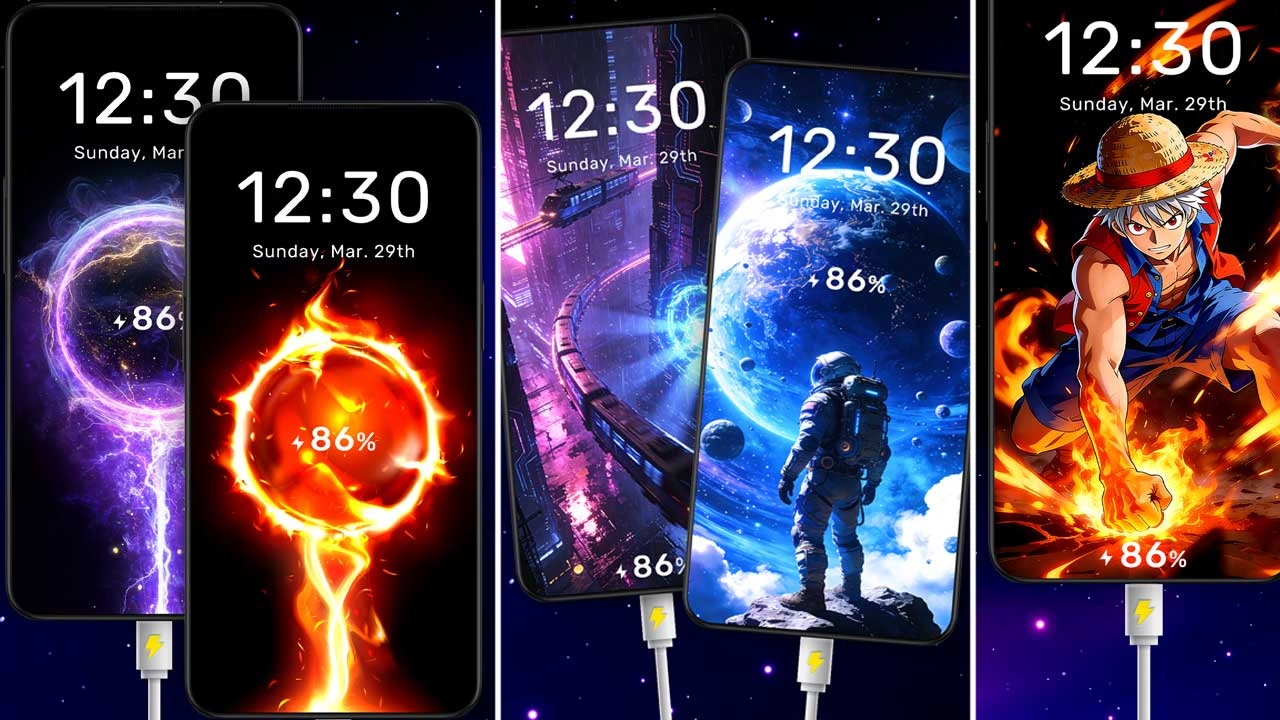
Battery charging animation apps gained attention because they add movement to a moment that previously felt static. Instead of staring at a basic battery icon, users now see animated rings, glowing particles, dynamic overlays, or cinematic visual effects appear instantly when charging begins. The experience lasts only a few seconds in many cases, but those seconds are repeated every single day. Over time, even small visual details start shaping how users emotionally connect with their phones.
The Emotional Psychology Behind Charging Animations
One reason these apps feel surprisingly satisfying is rooted in how people react to motion and visual feedback. Human attention naturally responds to movement, light transitions, and smooth animation patterns. When a charging cable connects and the screen instantly responds with an energetic visual effect, the brain interprets it as a form of interaction rather than a passive technical process.
This explains why many users continue using the same charging animation for months without changing it. The animation slowly becomes part of their routine, almost like a familiar startup sound or favorite wallpaper. Some users even associate certain charging effects with relaxation because they usually see them at night before sleeping. In this way, battery charging apps quietly move beyond utility and enter emotional design territory — something smartphone companies themselves increasingly prioritize in modern user interfaces.
How Modern Charging Animation Apps Became More Advanced
Early charging animation apps were extremely simple. Most displayed flashing battery symbols, electric bolt graphics, or colorful percentage indicators with little customization. Modern apps, however, behave more like miniature visual engines. They now include cinematic lighting effects, live motion wallpapers, transparent overlay systems, edge lighting, futuristic interface designs, and animated characters that react dynamically to charging status.
Some applications even synchronize animations with sound effects and vibration patterns to create a more immersive response. Others allow users to create personalized themes matching their wallpapers, RGB gaming setups, or favorite color schemes. Developers have clearly realized that users no longer want simple visual tricks. They want charging animations that feel integrated with the personality of the entire device.
Gaming Culture and Anime Influence Changed App Design
A major shift in charging animation design came from gaming culture and anime-inspired aesthetics. Younger smartphone users increasingly prefer bold visual styles inspired by futuristic games, neon cyberpunk cities, sci-fi interfaces, and animated energy effects. As a result, many charging apps now resemble gaming dashboards more than traditional utility tools.
Glowing circles, animated energy cores, holographic battery displays, and moving anime-style characters are becoming common design choices. This trend reflects a larger change happening across smartphone customization culture. Phones are no longer viewed purely as communication tools. For many users, especially younger audiences, the phone screen itself has become part of personal identity and visual expression. Charging animations fit naturally into this trend because they add personality to one of the most repeated daily interactions.
Battery Consumption and Performance Concerns Still Matter
Despite their popularity, charging animation apps also face criticism regarding battery usage and background performance. Ironically, some poorly optimized apps consume noticeable system resources while running heavy animations or persistent overlays. Older smartphones sometimes experience lag, heating, or unnecessary battery drain if the application continues operating beyond the charging moment itself.
However, better-designed apps now focus on lightweight activation systems. Instead of constantly running in the background, they trigger animations only when the charger connects. This approach significantly reduces resource usage while maintaining the visual experience users want. Modern smartphone users are becoming more selective about this balance. Many people now prefer smoother, cleaner animations over excessively flashy effects that slow down the device. Performance stability is slowly becoming just as important as visual creativity in this category.
Why AMOLED Displays Made These Apps More Popular
The rapid growth of AMOLED smartphone displays played a major role in the popularity of charging animation apps. Bright neon effects, glowing outlines, and deep black backgrounds appear dramatically sharper on AMOLED screens compared to older LCD panels. Developers intentionally design many animations around this high-contrast look because it creates a more cinematic appearance during charging.
Dark backgrounds combined with glowing colors also make animations appear cleaner and more immersive at night. This is one reason charging effects often look especially attractive on premium Android phones with curved displays and advanced dark mode support.
Social Media Helped Turn Charging Screens Into Visual Content
Short-form video platforms indirectly pushed charging animation apps into mainstream attention. Users frequently share aesthetic phone setups online, including wallpapers, lock screens, RGB themes, and futuristic interface customizations. Charging animations naturally became part of these showcase videos because moving visuals attract immediate attention.
Some users now install charging animation apps mainly because the effects look visually impressive in social media clips rather than for personal utility. In this way, charging screens evolved from hidden system interactions into shareable visual content.
The Difference Between Good and Overdesigned Apps
Not every charging animation app creates a satisfying experience. Some overload the screen with aggressive advertisements, distracting visuals, or unnecessary permissions that reduce trust immediately. Others attempt to compensate for weak design quality through excessive flashing effects and constant pop-ups.
The better apps usually follow a different philosophy. They focus on smooth transitions, visual clarity, responsive animations, and minimal interruption. Interestingly, subtle charging effects often feel more premium than overloaded designs trying too hard to appear futuristic.
Privacy Awareness Is Becoming More Important
As these apps became more common, users also started paying closer attention to permissions and background access. Some charging apps request unnecessary controls unrelated to their actual purpose, which naturally creates suspicion among privacy-conscious users.
Applications that clearly explain how overlays work and avoid excessive permission requests generally earn more long-term trust. This growing awareness shows that smartphone users now evaluate customization apps more carefully than before instead of installing purely based on visual appeal.
Why Charging Animation Apps Reflect a Bigger Digital Trend
Battery charging animation apps may appear like small entertainment tools at first glance, but they reveal something deeper about modern smartphone culture. Users no longer want devices that simply complete tasks efficiently. They want phones that feel visually expressive, emotionally engaging, and personally styled around their tastes.
Download App
That is why even a charging screen now carries design importance. In many ways, the rise of charging animation apps shows how modern technology is shifting away from pure functionality and moving closer toward emotional personalization in everyday digital life.