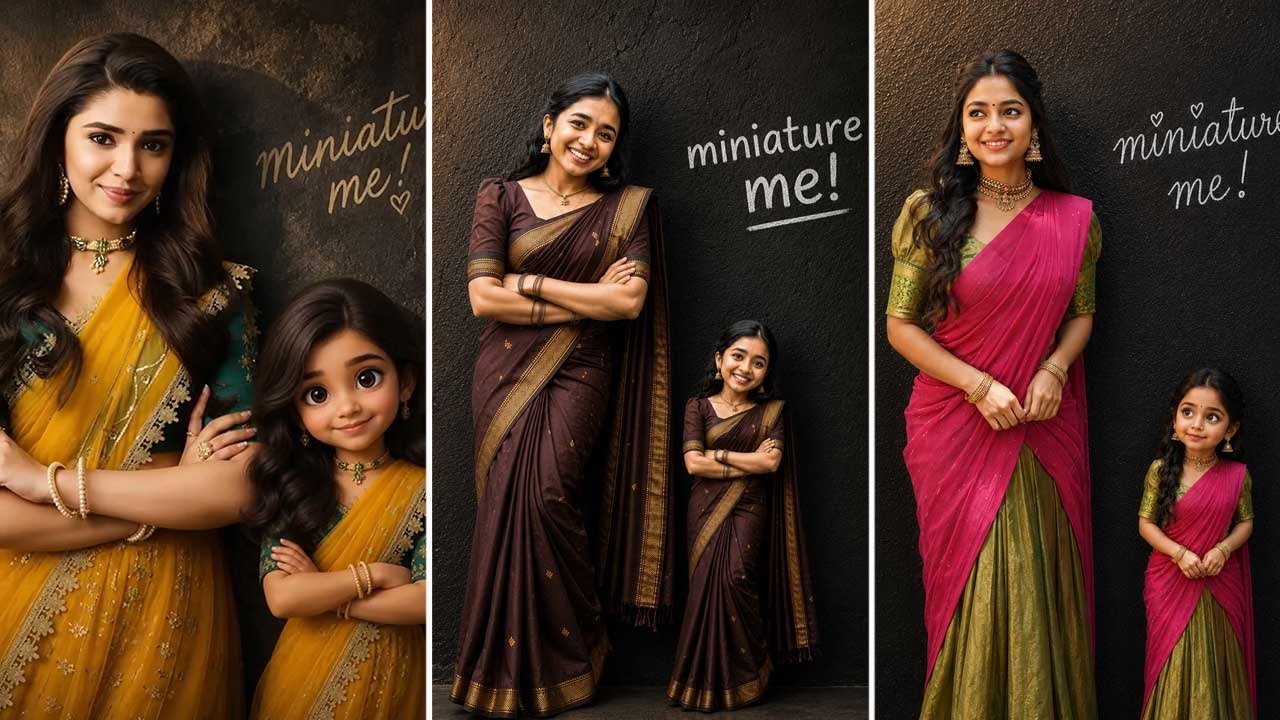
A full-sized portrait can look impressive, but shrinking the same person into a tiny companion inside the same frame changes the entire emotional experience of an image. That unusual scale difference instantly creates curiosity. Instead of looking like a standard AI artwork, the portrait begins to feel like a scene from a stylized movie poster where imagination quietly blends into realism. This is why miniature-style AI portraits are becoming one of the most visually engaging trends across professional image-generation platforms.
Understanding the Visual Psychology Behind Miniature Portraits
The human brain naturally reacts to size contrast. When a realistic adult figure stands beside a miniature version of herself, viewers immediately pause to process the relationship between the two subjects. That reaction increases attention time, which is one reason these images perform strongly online. The prompt works because it uses familiarity and distortion together without making the composition chaotic.
The matching white outfits help reinforce that connection. Professional AI apps interpret repeated clothing patterns as visual continuity, which improves subject consistency. The blue jeans add structure and realism, while the sneakers keep the styling casual enough to feel believable. Instead of appearing like fantasy costumes, the wardrobe resembles something people genuinely wear in modern portrait photography.
Why Professional AI Engines Deliver Better Results
Miniature portraits demand precision. The AI must preserve facial similarity between the woman and the tiny version while also adjusting proportions to create the cartoon-like appearance. Advanced AI apps handle this transition more naturally because they understand depth, facial geometry, and texture layering more accurately than basic generators.
High-end AI tools also respond better to cinematic photography instructions. Phrases like “warm soft lighting” and “studio quality” guide the rendering engine toward realistic portrait behavior instead of digital painting styles. This matters because the image depends on believable skin texture and controlled shadows to maintain its premium look.
The Dark Wall Creates Visual Isolation
The textured dark wall in the prompt is not simply a background choice. It functions as visual separation. Busy environments often compete with subjects and reduce portrait impact. A darker textured surface removes distractions while still giving the frame enough character to avoid looking empty.
Professional AI apps usually generate stronger contrast when dark backdrops are combined with white clothing. The result feels dramatic without needing artificial neon lights or exaggerated effects. The handwritten “miniature me!” text becomes more noticeable against the darker surface, adding a handcrafted touch that softens the overall cinematic mood.
Facial Expression Defines the Entire Mood
A soft smile changes the atmosphere of the portrait completely. Many AI-generated images fail because expressions become too intense or emotionally blank. In this prompt, the relaxed smile creates warmth and familiarity, making the scene feel personal instead of overly artistic.
The miniature version introduces a different energy through enlarged expressive eyes and a cartoon-inspired face shape. This combination creates a contrast between maturity and playful innocence. The balance is subtle enough that the portrait remains elegant rather than comedic.
How Lighting Shapes Realism in AI Portraits
Lighting instructions are often more important than facial descriptions in AI image generation. Warm soft lighting allows skin tones to blend naturally while reducing harsh texture inconsistencies. It also enhances clothing folds and shadows around the wall, helping the scene resemble a real studio photograph.
Shallow depth of field further improves realism by directing focus toward the subjects while gently blurring the background. Professional photographers use this technique to isolate subjects emotionally, and advanced AI apps replicate that cinematic behavior remarkably well when prompted correctly.
Why Accessories Improve Image Quality
The black bindi and smartwatch may appear like tiny details, but they add realism that generic portraits usually lack. AI systems perform better when they receive culturally and visually identifiable accessories. These elements help the portrait feel connected to an actual personality instead of a randomly generated character.
The smartwatch also introduces modern styling without overwhelming the frame. Combined with the hands-in-pockets pose, it creates a relaxed fashion-editorial look that feels natural inside a cinematic portrait setup.
The Importance of Vertical Framing
The vertical ratio specified in the prompt aligns perfectly with how people consume images on mobile devices. Portrait-oriented frames create stronger focus because the subjects occupy more visual space. This becomes especially important in side-by-side compositions where both characters need equal attention.
A vertical layout also helps maintain body proportions. The AI has more room to show the leaning posture, sneaker details, and clothing textures without compressing the scene. That extra space improves overall balance and keeps the portrait visually clean.
AI Prompt Used for Creating the Portrait
cinematic portrait above girl as her miniature version. Side by side against textured dark wall, handwritten “miniature me!” text. Both in matching dresses hands are folding. Women leans with soft smile; child has cartoon-style face, large expressive eyes. Ultra-realistic skin texture, warm soft lighting, shallow depth of field, sharp focus, studio quality.
The strength of this prompt comes from restraint rather than excess. Every element serves a purpose, from the coordinated outfits to the textured wall and cinematic lighting. Instead of relying on fantasy explosions or futuristic effects, the portrait builds emotional depth through realism and proportion play. When professional AI apps process prompts like this carefully, the final result feels less like generated artwork and more like a stylized memory captured through a high-end studio lens.