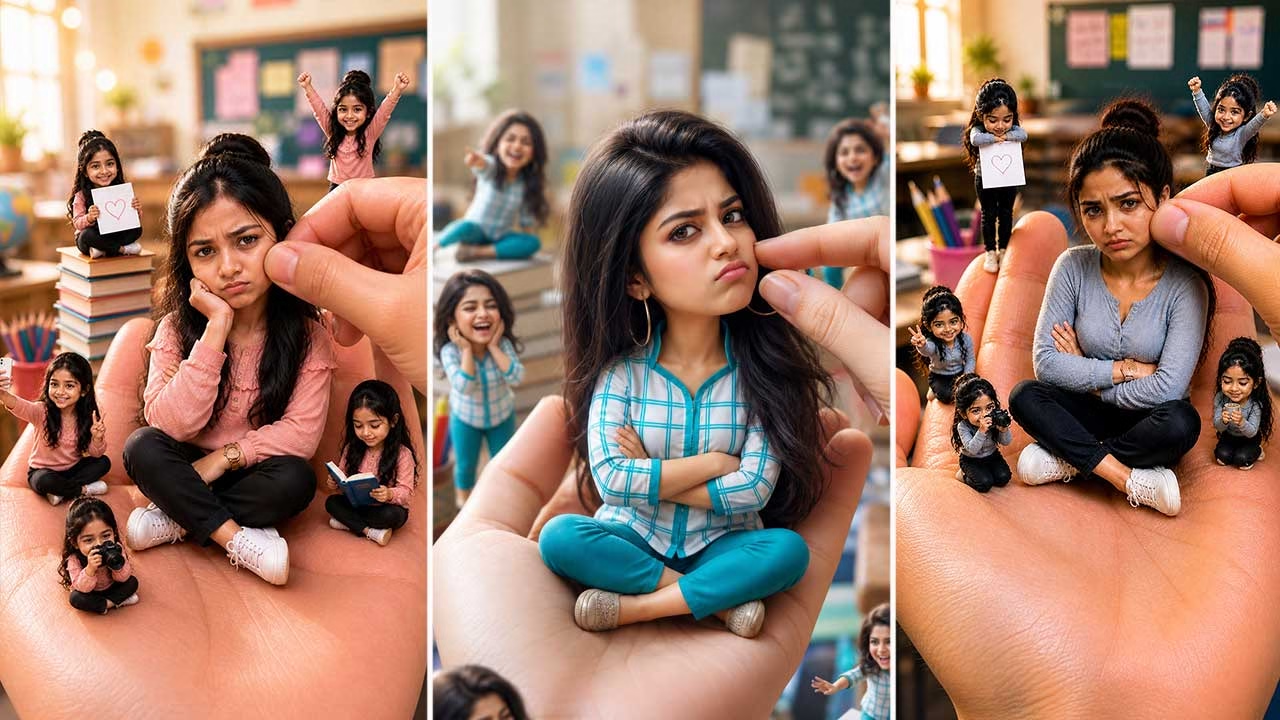
The most interesting AI portraits today are not the ones trying to imitate reality perfectly. They are the images that bend scale, emotion, and storytelling into a single frame. A tiny chibi-style character sitting inside a human palm immediately creates emotional contrast because the brain reads the subject as both fragile and expressive at the same time. That contrast is exactly why “miniature portrait prompting” has become one of the strongest visual trends in advanced AI image generation.
Why This Prompt Works Better Than Generic AI Portraits
Most AI-generated portraits fail because they describe only the subject. The provided prompt succeeds because it controls interaction, environment, lighting, emotion, and camera focus together. Instead of asking for “a cute girl portrait,” it creates a complete cinematic setup where every element supports the visual story.
The enlarged head and miniature body create a toy-like proportion that instantly attracts attention. At the same time, the slightly angry yet cute facial expression prevents the image from looking emotionally flat. AI tools respond better when emotions contain contrast. A perfectly happy face often feels generic, while a playful pout introduces personality and realism.
The Importance of Scale Manipulation in AI Art
One hidden strength of this prompt is its use of exaggerated scale. The oversized human hand compared to the tiny character creates depth without needing complicated backgrounds. Advanced AI models interpret scale differences as storytelling devices, which helps the final image feel more dynamic and cinematic.
Professional creators often use this technique because it gives static portraits a sense of imagination. Instead of presenting a normal human figure, the image feels like a scene from an animated fantasy world. This approach also increases viewer retention on social media because unusual proportions naturally stop scrolling behavior.
Why the Classroom Background Matters
The blurred school classroom background is not just decoration. It adds context without distracting from the character. Modern AI tools generate stronger compositions when the environment supports the subject emotionally. A classroom setting introduces familiarity and nostalgia, while the soft bokeh prevents visual clutter.
Background blur is especially important in miniature portrait generation because small subjects can easily get lost inside detailed environments. By forcing shallow depth of field, the prompt ensures the character remains the center of attention while still preserving cinematic atmosphere.
Emotional Layering Creates Better AI Expressions
The phrase “slightly pouty, angry but very cute expression” is more powerful than it appears. AI image models produce more believable faces when emotions are layered instead of singular. A face described only as “cute” usually lacks tension. But combining playful anger with softness gives the model stronger emotional direction.
This technique works especially well with stylized portraits because exaggerated expressions are part of chibi aesthetics. The result feels expressive rather than artificial. Professional prompt designers often combine conflicting emotions intentionally because it helps avoid lifeless AI-generated faces.
Hand Interaction Adds Natural Storytelling
Many AI portraits look staged because the subject exists alone without interaction. The second hand gently pinching the character’s cheek introduces physical engagement, which makes the image feel alive. Interaction-based prompting is one of the most overlooked methods in professional AI image creation.
When objects or characters physically respond to each other, AI models generate more believable body positioning and eye focus. The cheek-pinching detail also creates playful tension that strengthens the emotional tone of the portrait. Small interaction cues often make a larger impact than expensive visual effects.
Why Chibi Side Characters Improve Composition
Adding mini 3D chibi versions of the same character around the scene is a smart compositional choice. These secondary figures break empty spaces and create movement across the frame. Without them, the image could feel too centered and static.
Professional AI artists frequently use repeated miniature elements to guide viewer attention through the composition. Funny supporting characters also introduce layered storytelling. Instead of being a single portrait, the image becomes a tiny animated world frozen in one frame.
Maintaining Outfit Consistency With Reference Images
The instruction “same as her reference image” is critical when working with advanced AI tools like Midjourney, Flux, DALL·E, or Stable Diffusion workflows. Outfit consistency helps maintain realism, especially when generating stylized scenes from real photographs.
Without clothing continuity, AI systems often replace textures, colors, or accessories unpredictably. Referencing the original outfit preserves identity while allowing the environment and proportions to become imaginative. This balance between realism and stylization is what makes the final portrait visually convincing.
Cinematic Lighting Is Doing Most of the Heavy Work
Soft cinematic lighting is one of the strongest quality indicators in AI-generated imagery. Harsh lighting often exposes rendering flaws, while soft directional light hides imperfections and creates natural skin depth. Combined with shallow depth of field, the lighting transforms a simple character concept into something that resembles a high-end animated movie frame.
Professional creators also use cinematic lighting because it helps separate the subject from the background naturally. Instead of relying on excessive sharpening or artificial glow effects, controlled lighting creates depth through shadows and highlights alone.
Why Ultra-Realistic Detail Should Be Used Carefully
Many users overload prompts with terms like “8K,” “hyper-realistic,” or “extreme detail,” assuming more keywords automatically improve quality. In reality, excessive realism instructions can damage stylized concepts. This prompt works because realism is balanced with miniature fantasy aesthetics.
The phrase “high detail, ultra-realistic, clean focus” is effective only because the earlier sections already establish a playful visual style. Professional prompting is less about stacking keywords and more about maintaining harmony between artistic direction and technical quality.
Prompt Used for Image Creation
Create a stylized big-head miniature portrait of her. She appears as a tiny character with a slightly enlarged head and small body, sitting inside a large women hand. Pose: seated cross-legged, hands crossed,slightly pouty, angry but very cute expression. looking at the camera. Environment: blurred school classroom background with bokeh. Add a second hand gently pinching/ adjusting the person’s cheek for a playful effect. Also add some 3d mini chibi characters of her around, doing funny stuffs. Outfit: same as her reference image. Lighting: soft cinematic light, shallow depth of fieldr high detail, ultra-realistic, clean focus
The Real Difference Between Amateur and Pro Prompting
Amateur prompts usually describe what is visible. Professional prompts describe how the viewer should emotionally experience the image. That is the hidden strength behind this miniature portrait concept. Every instruction contributes to mood, interaction, or cinematic depth rather than existing as random decoration.
The final result feels memorable because it combines emotional storytelling, scale distortion, expressive posing, environmental softness, and cinematic focus into one controlled visual structure. That balance is what separates ordinary AI images from portraits that people genuinely stop and admire.