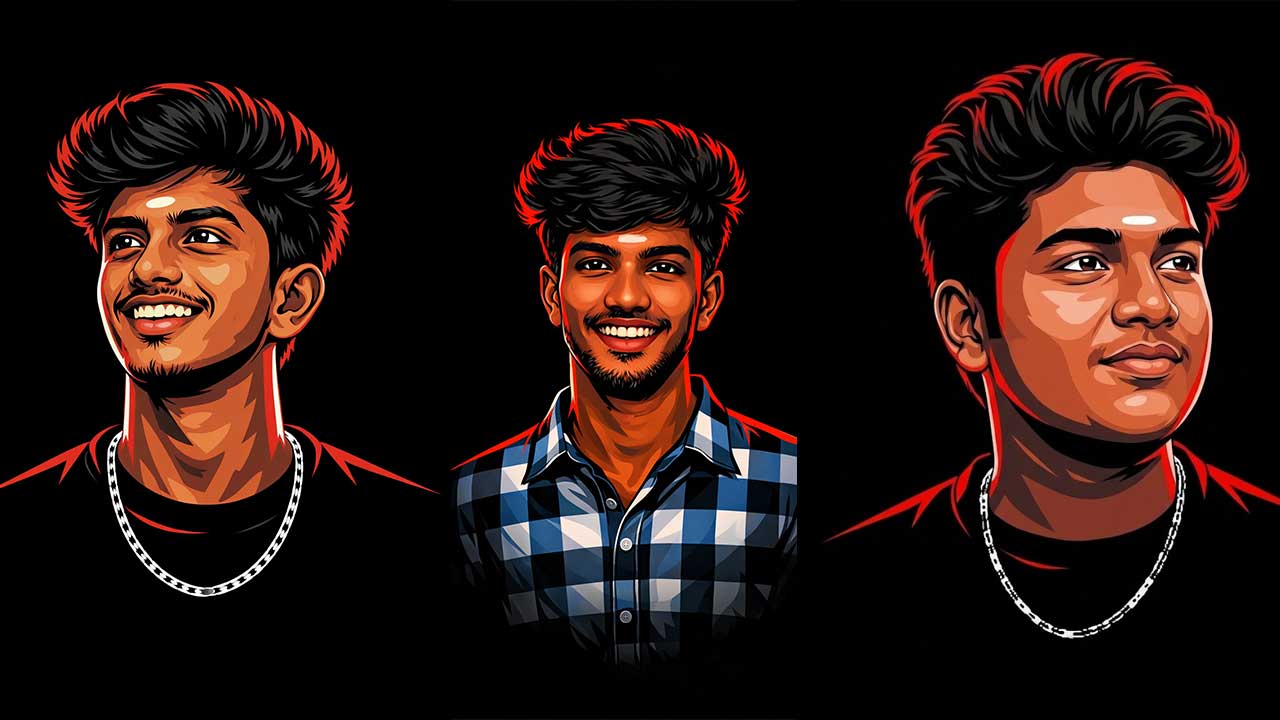
Some images do not just show a face; they create a mood that feels almost like a movie frame. In recent years, a striking portrait style has gained attention among designers and digital creators. It uses deep shadows, sharp highlights, and bold color accents to turn ordinary photographs into cinematic artwork. This visual approach, often called neo-noir vector portrait editing, transforms a simple image into a dramatic digital illustration while maintaining the subject’s real identity.
The Growing Influence of AI in Creative Editing
Artificial intelligence is rapidly becoming a central tool in digital design workflows. Instead of manually recreating portraits in vector format, creators now rely on AI systems that interpret detailed prompts. These prompts guide the system to generate highly stylized portraits while preserving the original facial structure. This method saves time while giving artists more freedom to experiment with lighting styles, color palettes, and cinematic visual effects that were once difficult to produce quickly.
What Defines the Neo-Noir Illustration Style
Neo-noir illustration draws inspiration from classic crime cinema and modern graphic design aesthetics. The visual signature of this style includes dark compositions, limited color schemes, and intense directional lighting. Faces often appear partially hidden in shadow, with only the most important contours illuminated. When applied to vector art, the result feels both futuristic and dramatic, creating a portrait that stands out immediately on screens or digital platforms.
Why Facial Accuracy Is Essential in AI Portrait Edits
One of the most important requirements in AI-generated portraits is maintaining the subject’s identity. When editing a portrait with AI tools, the software must not alter structural facial characteristics. Details like the distance between the eyes, the curve of the nose, and the shape of the jawline must remain exactly the same as the original photograph. This ensures that the final illustration remains recognizable while still achieving a bold stylistic transformation.
The Visual Power of Minimalist Composition
Strong compositions are fundamental in creating a powerful neo-noir portrait. Designers typically focus only on the head and upper neck area to create a tight visual frame. By eliminating unnecessary elements, the viewer’s attention naturally centers on the facial features and lighting effects. This focused composition also enhances the dramatic atmosphere of the artwork, making it feel more deliberate and visually striking.
Dramatic Lighting as the Core Design Element
Lighting is the feature that truly defines the neo-noir portrait edit. Instead of evenly lighting the face, a single directional light source creates intense highlights and deep shadows. The technique often uses colored rim lighting to trace the outer edges of the subject’s face. This creates a glowing outline that contrasts sharply with the surrounding darkness, giving the illustration a modern and cinematic feel.
The Impact of Negative Space in Visual Design
Negative space is another crucial element that strengthens the aesthetic of neo-noir portraits. Surrounding the subject with a large area of empty black background creates visual balance and prevents the image from feeling crowded. This approach also enhances the dramatic effect of the lighting, because the illuminated areas of the portrait appear brighter and more defined against the dark environment.
Crafting Precise Prompts for AI Portrait Generation
Successful AI portrait editing relies heavily on the clarity of the prompt used to generate the image. Prompts must carefully describe the desired lighting direction, composition, background color, and style characteristics. At the same time, they must explicitly instruct the AI to preserve the subject’s identity. The more precise the prompt becomes, the more control the creator gains over the final output.
Turning Photographs into Graphic Vector Artwork
The transformation from photo to vector illustration involves simplifying visual details while keeping the essential facial structure intact. AI tools achieve this by converting gradients and textures into clean shapes and contrast-based shading. The result is an image that appears both artistic and modern, resembling professional digital illustration rather than a typical edited photograph.
Why Creators Are Adopting This Portrait Style
Content creators, designers, and digital marketers increasingly prefer neo-noir vector portraits because they create a strong visual identity. A high-contrast portrait can serve as a powerful profile image, promotional graphic, or branding element. Its dramatic appearance ensures that it captures attention instantly, especially in crowded digital environments where thousands of images compete for visibility.
The Technical Appeal of AI-Assisted Design
From a technical perspective, AI-assisted editing allows designers to experiment more freely with artistic direction. Instead of spending hours adjusting layers and lighting manually, creators can generate multiple variations of a portrait using different prompt settings. This flexibility makes it easier to explore creative possibilities while maintaining consistent visual quality.
Prompt
Stylize the uploaded image into a high contrast neon vector portrait style while preserving the original face, hairstyle, facial features, expression, clothes, and chain exactly the same. Do not change the identity or redraw the person. Only apply graphic vector shading, sharp highlight shapes, smooth gradient shadows, and dramatic red neon rim lighting around the hair, ears, neck, and shoulders. Add subtle red glow outline, strong contrast lighting, clean black background, cinematic glow effect, modern YouTube thumbnail vector lighting, crisp edges, high detail. Negative Prompt: redraw face, different person, cartoon character, anime style, different clothes, different hairstyle, distorted face, blur, watermark, text
The Creative Potential of AI-Driven Portrait Illustration
The combination of artificial intelligence and digital illustration is opening new creative pathways for artists and designers. By combining precise prompt engineering with cinematic design principles, creators can produce portraits that feel both modern and expressive. As AI technology continues to evolve, the ability to transform simple photographs into visually compelling artwork will likely become an essential skill in the future of digital design.