
Haircuts often feel permanent and risky, but modern apps have transformed that perception. With a smartphone, people can now test dozens of hairstyles without committing to scissors. These digital tools act as virtual mirrors, bringing endless possibilities into focus for those curious about changing their look.
How Hairstyle Apps Work
Most hairstyle apps operate by analyzing a user’s face through uploaded photos. Once the image is processed, prompts guide the app to apply different hairstyles. By adjusting details such as length, curls, or color, individuals receive a highly personalized preview that mirrors what they might see in a salon chair.
Role of the Prompt
Prompts are the hidden engine behind accurate hairstyle results. A vague request like “short haircut” delivers generic outcomes. But when someone enters “chin-length layered bob with soft curls for round face,” the generated preview aligns perfectly. The art of writing prompts allows these apps to create styles that suit face shape, personality, and trend.
Technology Behind the Magic
These apps rely on artificial intelligence and machine learning. Algorithms trained on thousands of hairstyle references can adapt to subtle facial features. By recognizing elements such as forehead size, cheekbone height, and jawline shape, the system tailors each suggestion. This technical foundation ensures the style is realistic and believable.
Freedom to Experiment
For many people, hairstyle changes are intimidating. Using an app removes fear by giving them the freedom to experiment. Prompts can suggest styles they might never have considered, such as “platinum blonde pixie with sharp edges” or “long wavy layers with sun-kissed highlights.” This flexibility empowers users to explore beyond their comfort zone.
Social Media and Digital Influence
The popularity of virtual hairstyle apps has grown due to social media. Influencers constantly change appearances, inspiring followers to try similar looks. With a proper prompt, anyone can see themselves sporting “K-pop inspired shaggy cut” or “Hollywood red-carpet waves.” This instant access to trending hairstyles bridges the gap between celebrities and everyday users.
Customization for Every Face
Not all hairstyles fit every person, but apps help solve this problem. By using prompts like “angled bob for square jawline” or “long curls with side part for oval face,” individuals avoid unsuitable choices. Instead of one-size-fits-all, each user experiences a level of customization that reflects personal beauty.
Solving Communication Gaps at Salons
Salon visits often involve miscommunication between client and stylist. A person may struggle to describe their vision, leading to disappointment. Hairstyle apps bridge this gap. By generating realistic previews using prompts, clients can walk into the salon with a clear visual reference, ensuring both sides agree before the scissors move.
Seeing Hairstyles in Motion
Some apps go further by offering animated previews. Instead of static images, prompts can create short video clips. Users see how a “shoulder-length cut with loose curls” bounces while walking or how a “sleek straight bob” moves with wind. This extra dimension adds confidence when deciding on a haircut.
Future-Proof Hair Planning
These apps also let users plan hairstyles for the future. A simple prompt like “hair grown three inches with soft layers after six months” predicts growth and transformation. This feature encourages long-term style planning, making it easier to set hair goals without sudden or regrettable changes.
Blending Style with Commerce
Modern hairstyle apps connect with online stores and salons. After generating a look with prompts, users often see product recommendations such as hair dye or styling sprays. Some even allow direct salon bookings. This combination of creativity and commerce turns the app into both a stylist and a shopping assistant.
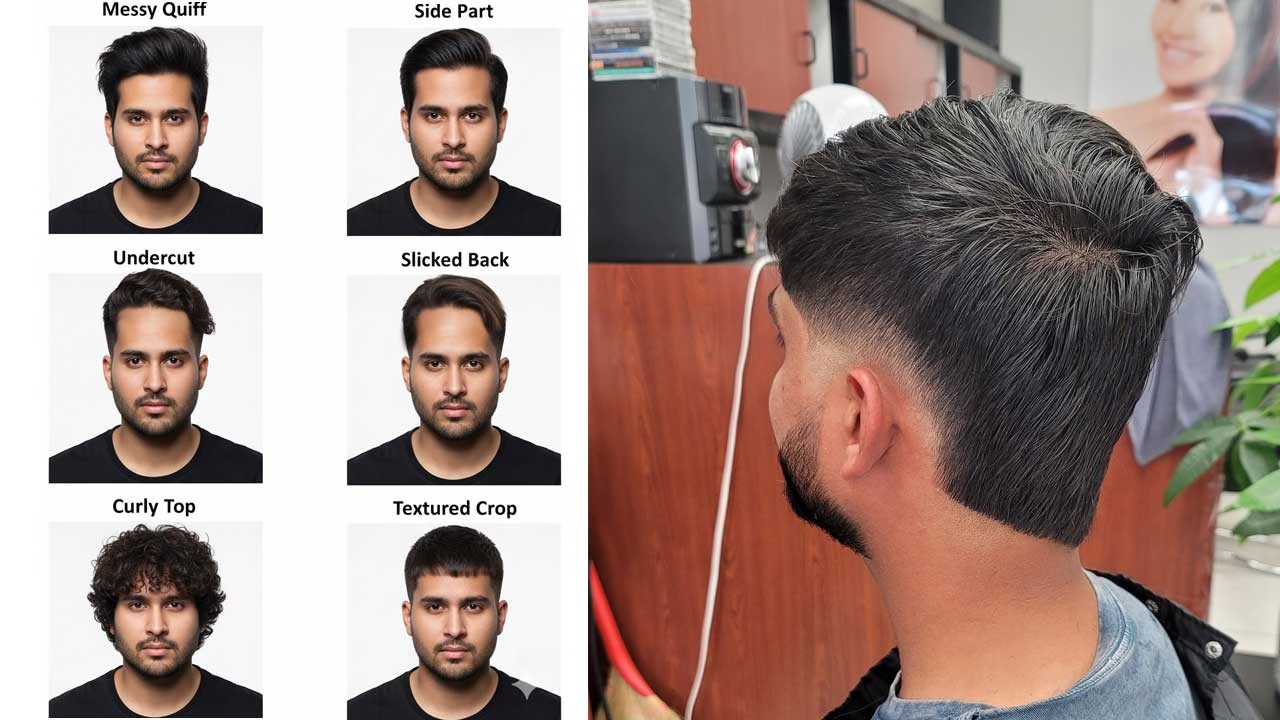
Prompt:
Create a hairstyle preview collage for a male face. Use the given base photo as the main face. Generate 6 different realistic hairstyles. Place the name of the hairstyle above each hairstyle. Background should be white, each row should have only 2 photos, and all the face should be in straight angle facing camera
Business and Revenue Opportunities
The commercial potential of hairstyle apps is huge. Users pay extra for detailed 3D previews, color corrections, and expert tips. Brands collaborate by promoting premium hair products inside these platforms. With prompts driving more personalized results, engagement increases, creating new revenue streams for app developers and beauty companies alike.


