Somewhere between imagination and execution, photo editing has changed its personality. A photo editing app with prompt does not behave like a traditional tool; it behaves like a listener. You do not adjust settings or chase perfection through sliders. You describe a scene, an emotion, or a cinematic moment, and the app responds by constructing visuals that feel deliberate, dramatic, and thoughtfully composed.
From Technical Skill to Creative Language
Earlier, powerful photo edits required years of practice and familiarity with complex software. Prompt-based editing removes that barrier entirely. The skill shifts from knowing tools to choosing words. Users no longer need to understand layers or masks. Instead, they learn how to describe mood, posture, lighting, and atmosphere, making creativity accessible to storytellers, marketers, and casual users alike.
How the App Interprets Visual Intent
At the heart of a prompt-based photo editing app is its ability to read intent rather than instructions. When a user writes about smoke, glow, confidence, or darkness, the app interprets these as visual signals. It understands how foreground and background should interact, how light should fall on a subject, and how contrast should shape attention, producing an image that feels carefully directed.
Turning a Single Person into a Visual Narrative
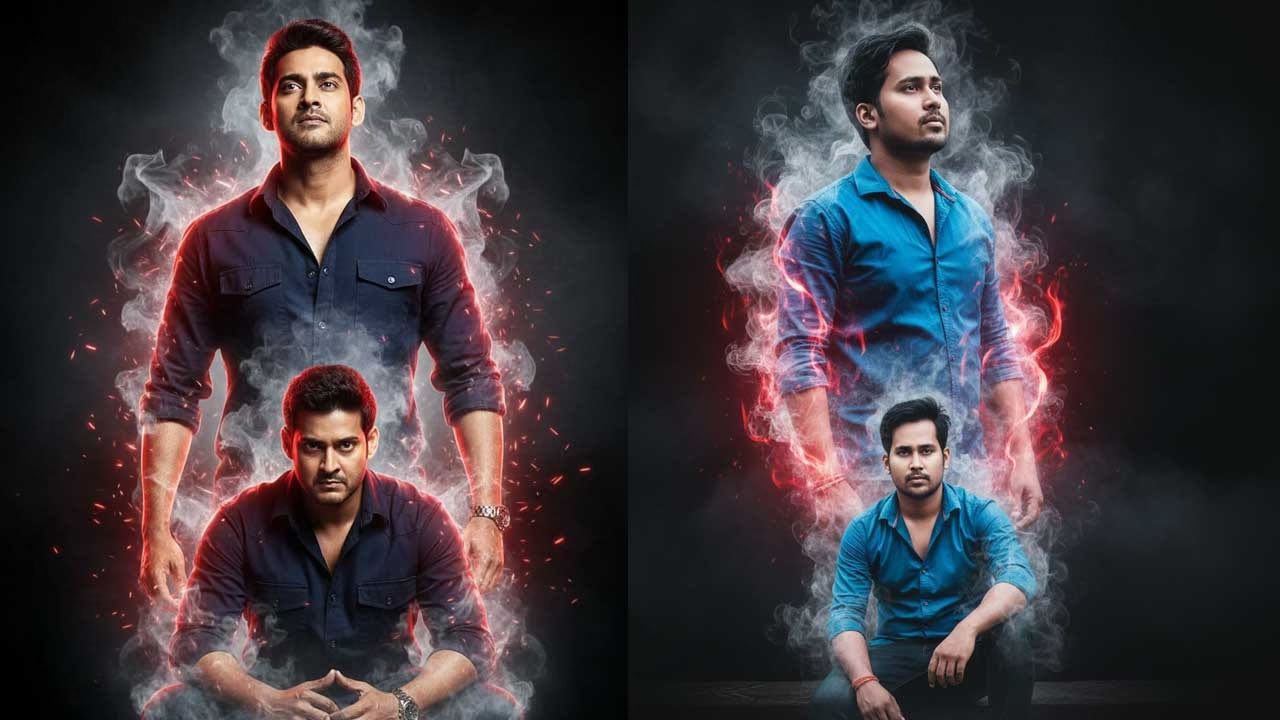
One of the most compelling outcomes of prompt-based editing is the creation of multiple expressions within a single frame. A user can request a standing figure that appears confident and dominant, while also introducing a seated version of the same person that feels intense or introspective. This duality creates a story within the image, something traditional editing rarely achieves so seamlessly.
Smoke, Glow, and Depth as Story Elements
Smoke and light are not just visual effects; they are storytelling tools. A prompt-based app treats them as emotional cues. Wisps of smoke can suggest mystery or power, while glowing highlights can signal energy or focus. The app places these elements organically around the subject, creating depth and separation without making the image look artificial or over-processed.
Lighting That Responds to Emotion
Instead of adjusting brightness numerically, prompt-based apps shape lighting emotionally. When a prompt includes drama or intensity, the app darkens backgrounds, sharpens highlights, and emphasizes facial structure. The subject becomes the focal point naturally. This emotional lighting approach produces images that feel cinematic, as though they belong to a movie poster rather than a simple edited photo.
A New Creative Tool for Digital Identity
For professionals, creators, and personal brands, prompt-based photo editing becomes a tool for identity creation. Profile images, promotional visuals, and hero banners can be crafted to reflect authority, seriousness, or creativity. Because the output depends on language, users can maintain consistency by refining prompts, ensuring their visual presence aligns with how they want to be perceived.
Speed Without Sacrificing Originality
Traditional editing often forces a trade-off between speed and quality. Prompt-based apps remove that compromise. High-impact visuals can be created in minutes, yet each output feels unique. By changing the wording slightly, users can explore multiple creative directions quickly, making this approach ideal for campaigns, social media content, and experimentation without creative fatigue.
Why This Style Appeals to Modern Audiences
Audiences today are highly visual and emotionally driven. Prompt-based photo edits resonate because they look intentional and expressive. The combination of dramatic smoke, controlled lighting, and composed subjects creates images that stop scrolling thumbs. These visuals do not feel generic or template-based, which helps them stand out in crowded digital spaces.
Prompt
A stylized image featuring a man in a blue shirt. One full-body figure of the man is standing, looking upwards, with a confident expression. Behind him, emanating from his form and surrounding him like an aura, are wisps of white smoke with hints of red glowing light, set against a dark, smoky background. A second, smaller figure of the same man is seated in the foreground, looking directly at the viewer with a serious expression. Both figures are well-lit, and the overall effect is dramatic and artistic.
Creativity Guided by Words, Not Rules
The most significant shift introduced by prompt-based photo editing apps is psychological. Users are no longer constrained by rules or tutorials. Creativity begins with a sentence, not a manual. This freedom encourages experimentation and personal expression, turning photo editing into a form of visual writing where ideas shape images and imagination becomes the primary tool.