
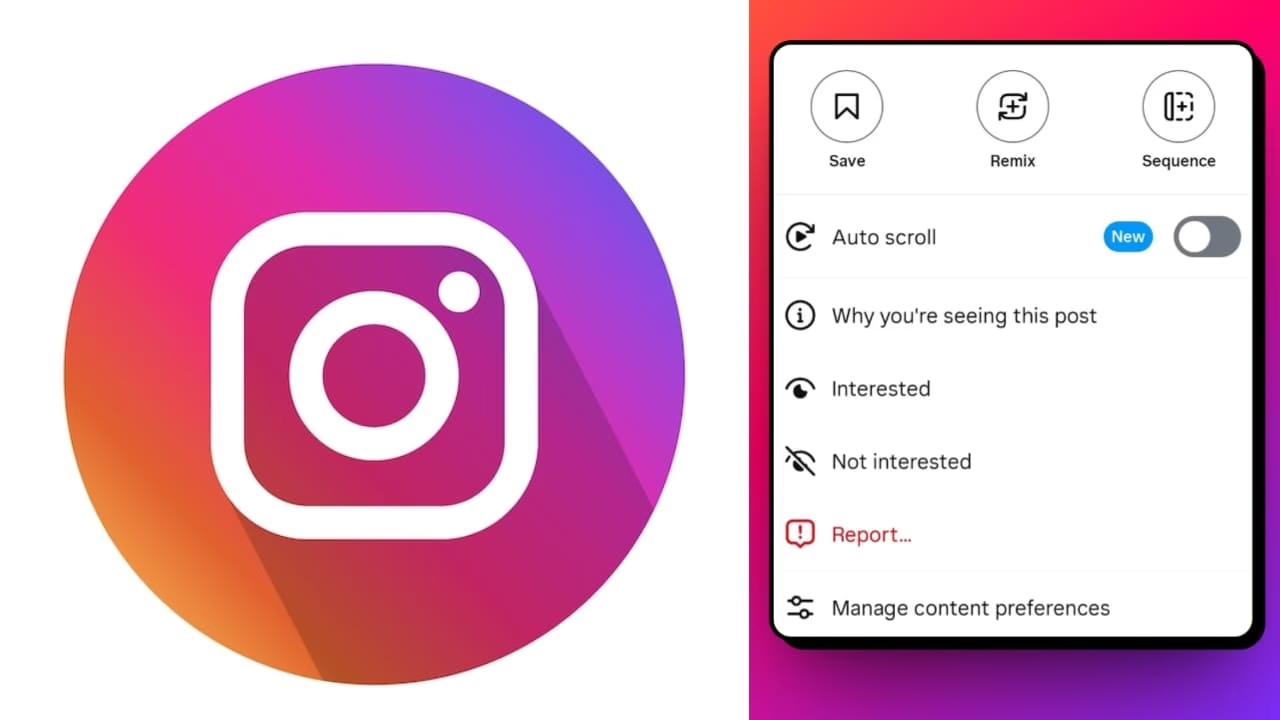
Scrolling used to be a physical habit, a tiny decision repeated hundreds of times a day. With Instagram’s auto scroll update, that habit quietly dissolves. Content now advances with minimal effort, changing the rhythm of how people watch, pause, and move on. This subtle automation reshapes attention itself, turning browsing into a steady flow that feels less intentional and more immersive.
Defining the Instagram Auto Scroll Update
The Instagram auto scroll update introduces automated content progression within certain feeds and viewing modes. Instead of relying entirely on manual swipes, the interface advances posts or videos after short viewing intervals. This design choice reduces interaction friction and aligns the app with modern consumption patterns where users prefer continuous, low-effort experiences rather than repetitive gestures.
The User Experience Economics Behind Auto Scroll
At its core, auto scroll is an economic decision tied to user time. Platforms measure success in minutes, not clicks. By minimizing physical interaction, Instagram increases the probability of longer sessions. Each additional second spent viewing content raises the value of ad inventory, making the update particularly relevant for advertisers competing in high-cost digital marketing categories.
How Auto Scroll Influences Content Discovery
Traditional scrolling gave users full control over what they skipped. Auto scroll changes that balance by gently guiding discovery. Users are exposed to more suggested posts, emerging creators, and sponsored content without consciously opting in. This increases diversity in content exposure while subtly strengthening Instagram’s recommendation engine through extended passive viewing behavior.
Advertising Performance and High-Value Impressions
From an advertising perspective, auto scroll improves viewability metrics. Ads remain on screen longer, increasing effective impressions and engagement signals. For brands in sectors like fintech, apps, SaaS tools, and e-commerce, this creates premium ad placements. Longer exposure times often translate into higher CPM rates and improved campaign performance across mobile audiences.
Impact on Creators and Content Strategy
Creators now face a different challenge. Since users may not actively swipe, the first few seconds of content must hold attention without relying on curiosity clicks. Storytelling, pacing, and visual hooks become critical. Auto scroll rewards content designed for retention rather than interaction, pushing creators to think like broadcasters rather than traditional social posters.
Algorithm Learning and Behavioral Signals
Auto scroll introduces new data signals for Instagram’s algorithm. Instead of focusing on likes and comments, the system prioritizes dwell time, completion rates, and passive engagement. These signals offer deeper insight into genuine interest, allowing more accurate content ranking. This evolution helps Instagram refine personalization while reducing dependency on explicit user actions.
Device Performance and Optimization Considerations
Automatically moving content requires careful performance tuning. Instagram appears to balance smooth transitions with controlled resource usage. The app dynamically adjusts loading behavior based on network strength and device capability. This ensures auto scroll feels fluid without overwhelming processors or draining batteries, especially important for users on mid-range smartphones.
Psychological Effects of Continuous Viewing
Auto scroll subtly alters how users perceive time on the platform. Without frequent touch interactions, sessions feel shorter than they actually are. This psychological compression encourages extended use while reducing fatigue. However, it also raises questions about mindful consumption, as users may spend more time than intended without clear stopping points.
Rollout Strategy and User Acceptance
Instagram has approached auto scroll cautiously, rolling it out in phases and testing it across regions. This gradual deployment allows behavioral analysis and feature tuning before mass adoption. Optional controls and limited exposure reduce resistance, ensuring the update feels like an enhancement rather than a forced change in user behavior.
What It Signals for Social Media Monetization
The auto scroll update reflects a broader industry move toward passive consumption models. Social platforms are increasingly designed to resemble streaming services, where content flows automatically. This model favors advertisers and platforms alike, as it stabilizes attention and creates predictable engagement patterns suitable for premium ad pricing.
Download App
A Feature That Quietly Redefines Interaction
Instagram’s auto scroll update does not announce itself loudly, yet its influence is profound. By changing how users move through content, it reshapes creator strategies, advertising value, and user habits. Over time, this quiet automation may redefine what social interaction means, shifting the platform closer to continuous media consumption than active social browsing.