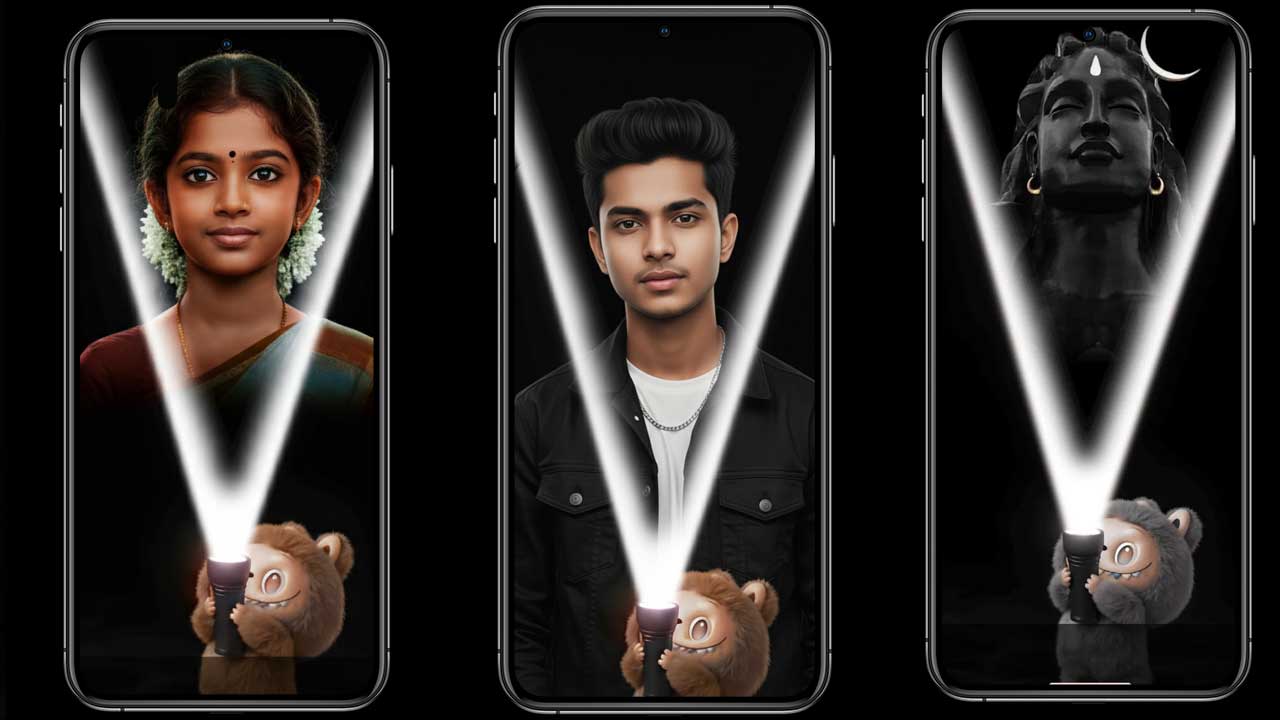
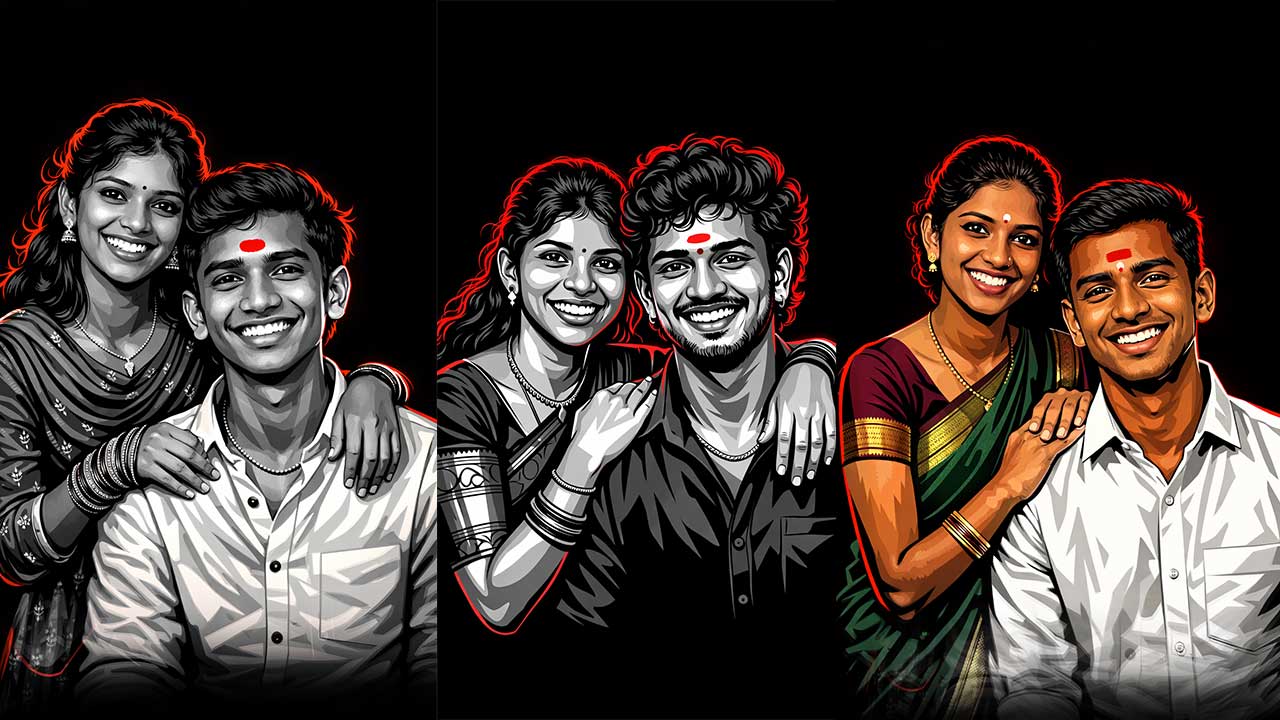
A photograph can carry a personality, but lighting is what gives it power. When strong color accents outline a subject and shadows carve depth into the face, the image transforms into something that feels closer to digital poster art than a simple portrait. Artificial intelligence image generation systems now allow creators to produce this kind of stylized artwork through descriptive prompts. Instead of manually adjusting brushes, gradients, and lighting layers, creators can guide AI software to interpret a detailed prompt and construct an entirely new artistic representation.
The Evolution of AI-Based Visual Creation
Digital art production has changed significantly with the rise of AI image generation platforms. These tools analyze written descriptions and translate them into detailed illustrations with impressive speed. Designers, content creators, and digital marketers now use AI software to generate visual assets that previously required advanced illustration skills. Because businesses constantly need high-quality graphics for websites, advertisements, and social platforms, AI-powered design tools have become an important part of modern creative workflows.
Why Stylized Portrait Graphics Are Popular Online
Images that combine dramatic lighting with strong visual contrast tend to perform well on digital platforms. When bold highlights frame the subject and the surrounding environment remains minimal, the viewer’s attention is drawn immediately to the central figure. This type of portrait artwork often appears in channel graphics, promotional visuals, and online branding because the clear lighting structure makes the subject visually memorable even on small screens. AI image generation tools make it possible to reproduce this effect with carefully structured prompts.
Understanding How AI Image Generators Interpret Prompts
AI art generation systems rely heavily on the clarity of the instructions they receive. The prompt describes the subject, environment, color accents, lighting direction, and overall artistic style. By analyzing these elements, the AI constructs an image that follows the described composition. A well-structured prompt allows the system to balance multiple visual details, ensuring that the subject remains recognizable while the lighting and stylistic effects enhance the overall design.
Structuring Prompts for Poster-Style Portrait Art
Creators who want poster-style digital portraits typically begin their prompts by describing the subject in clear detail. This includes facial features, expression, hairstyle, and clothing. Once the subject is established, the prompt introduces artistic elements such as bold color highlights, graphic shading, and cinematic lighting. This layered description helps the AI understand how the portrait should be rendered. The clearer the structure of the prompt, the more consistent and polished the generated artwork becomes.
The Role of Color Accents in Modern Digital Portraits
Color accents play a powerful role in stylized digital artwork. A prompt that introduces a dominant color tone, such as deep crimson lighting or warm glowing edges, helps unify the visual composition. When the AI interprets this color direction, it spreads the tone across the lighting and highlight areas of the image. This creates a cohesive appearance that makes the artwork feel intentional rather than random. Strategic color placement also enhances the dramatic quality of high-contrast portraits.
Creating Depth Through Light and Shadow
One of the defining features of stylized portrait art is the use of shadow and highlight to sculpt the subject’s features. When a prompt instructs the AI to produce dramatic lighting, the system generates deep shadows and bright highlight zones that give the portrait a sense of depth. This technique is often used in cinematic photography and digital illustration because it emphasizes the contours of the face and creates a strong visual presence.
Clean Graphic Shading in Vector-Inspired Artwork
Many AI portrait prompts include instructions that resemble vector-style illustration techniques. This approach focuses on clean shapes, smooth gradients, and crisp edges rather than highly textured surfaces. The result is artwork that looks sharp and modern, similar to stylized poster graphics. Vector-inspired shading also keeps the composition simple enough for the AI to render clearly, allowing the subject and lighting effects to remain the primary visual focus.
The Importance of Minimal Visual Environments
A simple background often improves the effectiveness of stylized portrait artwork. When the surrounding environment contains very few elements, the lighting around the subject becomes more visually prominent. A deep dark background can amplify bright highlights and color accents, giving the portrait a stronger presence. This design approach is widely used in digital graphics because it produces a clean and professional appearance that works well across many online platforms.
Professional Uses for AI-Generated Portrait Illustrations
AI-generated portrait graphics are increasingly used in professional content creation. Social media creators often use stylized portraits for channel artwork and profile images. Businesses may incorporate similar visuals into promotional banners or digital advertising campaigns to strengthen their branding. Because AI image generation tools can produce multiple variations quickly, designers can experiment with different lighting arrangements and visual styles until they find a version that best fits their project.
AI Design Tools in Modern Creative Workflows
Artificial intelligence design tools are becoming valuable assets for professionals working in digital marketing and online content production. These platforms allow creators to generate original visual concepts from simple text descriptions, saving time while still producing distinctive artwork. As AI image generation software continues to improve, more creators are integrating it into their design processes to develop graphics that stand out in competitive digital environments.
Example Prompt for Generating Dramatic Portrait Artwork
The following prompt demonstrates how descriptive instructions can guide an AI system to generate a stylized digital portrait with strong lighting contrast and graphic shading.
Sample Prompt
Ultra-detailed high contrast vector portrait illustration of a smiling young South Indian man facing forward, thick messy voluminous hair, light beard and moustache, wearing a casual open-collar shirt and chain. A bright red tilak on the forehead. The artwork uses dramatic red lighting across the face and neck, creating bold highlights and shadows. Clean black and grey monochrome shading mixed with intense red highlights on the skin. Strong red rim light glowing around the hair, ears, shoulders and outline of the body. Deep pure black background, minimalistic composition. Sharp vector edges, graphic novel style, poster style illustration, cinematic lighting, ultra crisp lines, modern hero portrait, 8k resolution.
Download Prompt
As AI design technology continues evolving, the ability to guide image generation through descriptive prompts is becoming an essential creative skill. By understanding how to describe lighting, style, and composition effectively, creators can transform ordinary portraits into visually powerful digital artwork. This combination of human imagination and intelligent software opens new possibilities for producing distinctive graphics that capture attention across modern digital platforms.