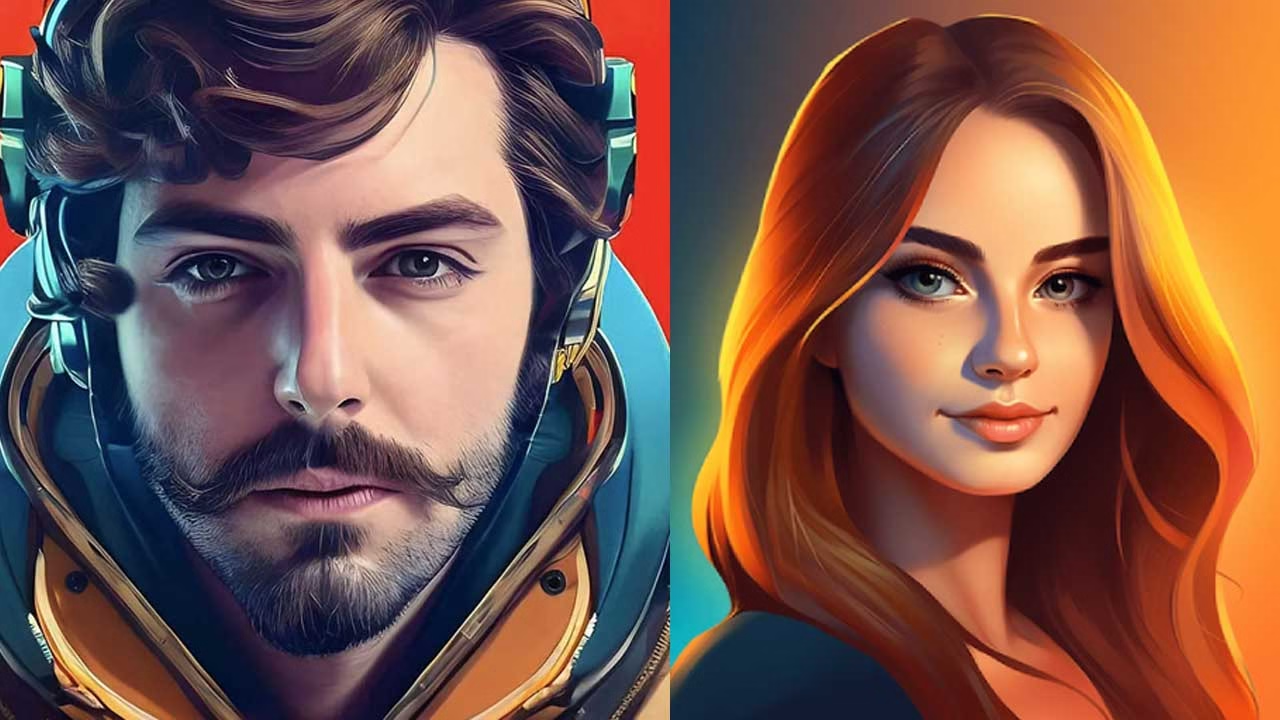
The internet is suddenly filled with people turning simple selfies into lifelike animated characters, and the trend is only growing stronger. What once needed studios, cameras and hours of design work can now be done by a single mobile app powered by advanced AI. This shift is reshaping personal content creation at a pace no one expected.
The Rise of Selfie-to-Avatar Technology
AI avatar systems today don’t just recreate a face. They analyse body proportions, pose structure, style elements and even emotional expression from a single selfie. These tools stitch everything together into a full-body digital character capable of motion, gestures and cinematic expressions, giving users a personalised animated version of themselves.
How the Core Engine Works Behind the Scenes
Instead of manually modelling a character, the app uses neural reconstruction, depth prediction and generative animation layers. The selfie becomes a 3D mesh, clothed with AI-generated textures and enhanced with motion patterns. This fully rigged avatar then responds to voice, text prompts or preset animations.
Krikey AI and Its Character Animation Strength
One of the leading apps in this category is Krikey AI. It transforms selfies into 3D avatars designed for storytelling. Users can choose outfits, adjust body shape and apply dynamic movements. The app’s strength lies in its animation engine, which converts text instructions into fluid character motion without requiring any technical skill.
Avaturn and Its Focus on Realistic Bodies
Another major player is Avaturn. It creates avatars from a single photo but emphasises realism and proportion accuracy. The app generates a full-body model suitable for gaming, virtual meetings, and social media content. Unlike cartoon-style tools, Avaturn aims for natural anatomy, giving creators a lifelike digital identity.
HeyGen and Its AI Video Generation Approach
While HeyGen is known for talking avatars, its newer systems support full-body animated characters as well. A selfie becomes a performance-ready avatar that can speak, act and move. Users simply write a script, and the avatar delivers it in smooth, studio-quality animation, making it ideal for influencers, educators and marketers.
Luma’s New Animation Engines for Motion Enhancement
Luma’s Dream Machine technology adds a deeper animation layer. Even though it is not purely an avatar app, it enhances character movement and background generation. When combined with selfie-based avatars, it produces visually rich animated clips that look professionally crafted, expanding creative possibilities.
Apps Inspired by Story-Based AR Engines
Some companies follow the approach once used in interactive AR story apps. These new engines create characters that interact with environments and respond to user instructions. When paired with a selfie-generated avatar, users can step into an animated world where their digital twin becomes the main character.
Why These Apps Are Becoming Viral
The sudden popularity comes from the simplicity. Anyone can produce animated content within minutes without editing software. The avatars look polished, customisable and expressive. Users enjoy seeing themselves in fantasy outfits, cinematic scenes or action shots that feel impossible to record in real life.
Use Cases Fueling High Demand
Creators use selfie-avatars for social reels, gaming profiles, explainer videos, fashion previews, fitness demos and educational content. Brands adopt them for virtual try-ons and character-based promotions. The flexibility of animation, combined with personal identity, gives these apps strong commercial appeal.
How Personalisation Adds Emotional Value
People enjoy digital characters that genuinely resemble them. The connection between the original selfie and the animated version adds emotional weight. When users see themselves dancing, acting or performing inside stylised scenes, the experience feels magical and highly shareable.
The Future of AI Avatar Apps
Upcoming versions may allow multi-angle body simulation, clothing physics, environmental interaction and real-time avatar puppeteering. As mobile processors improve, the entire animation workflow may run on-device, making it faster and more private. The next generation will likely support fully interactive digital humans.