
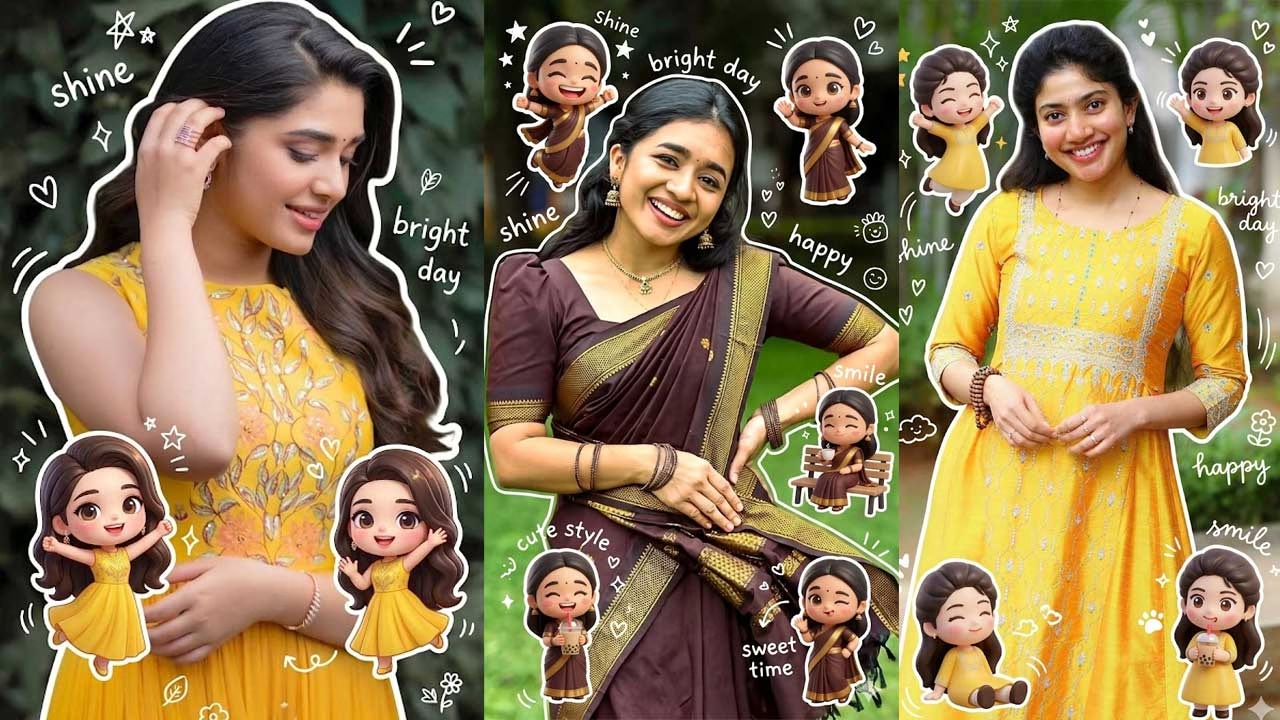
Not every image needs to stay serious to feel meaningful. Sometimes the most engaging visuals come from bending reality just enough to reveal personality in a new way. When a standard portrait is reimagined with playful chibi elements and soft illustrative overlays, it shifts from documentation to expression. That shift is where modern AI tools quietly stand out—not by replacing creativity, but by expanding how it can be applied.
Rethinking the Role of a Reference Image
A real face used as a base is more than a technical requirement; it is the emotional anchor of the entire composition. Without it, stylization becomes generic. In my own testing, images that began with a strong, clear reference consistently produced results that felt more authentic, even after heavy transformation. The goal is not to copy the face exactly, but to preserve its essence while allowing artistic reinterpretation to unfold around it.
Why Background Consistency Matters More Than You Think
Keeping the original background might seem like a minor detail, but it plays a crucial role in maintaining believability. When the environment shifts too much, the viewer subconsciously disconnects from the subject. A familiar backdrop acts like a visual memory, grounding even the most stylized additions. In practice, this often requires separating the subject layer and carefully re-blending it after stylization to avoid unwanted distortions.
Soft Lighting as a Unifying Layer
Lighting decisions often determine whether an image feels cohesive or fragmented. Warm, diffused light works particularly well because it smooths transitions between realistic and stylized elements. In experiments, harsh lighting made chibi figures appear pasted on, while softer tones allowed them to blend seamlessly. The subtle shadows described in the prompt help retain depth without overpowering the gentle aesthetic.
Building Character Through Miniature Variations
The introduction of small chibi versions transforms the image into a multi-layered narrative. Each miniature figure acts like a different mood or moment captured in visual form. Rather than duplicating the same pose, varying their gestures creates a sense of movement across the frame. This approach works especially well when each character reflects a slightly different emotional tone, making the composition feel dynamic rather than repetitive.
Expression Design Over Random Generation
One common mistake is relying entirely on the AI to decide expressions. While the tools are capable, intentional direction produces far better outcomes. During hands-on testing, specifying emotional intent—such as playful curiosity or relaxed joy—resulted in chibi characters that felt more relatable. This step may seem subtle, but it dramatically changes how viewers interpret the final image.
Doodles as Energy, Not Decoration
The hand-drawn white elements described in the prompt are often misunderstood as simple embellishments. In reality, they function as visual energy lines, guiding attention and reinforcing motion. When placed thoughtfully around gestures or expressions, they amplify the liveliness of the scene. Poor placement, however, can clutter the composition and distract from the subject, so restraint and intention are key.
The Impact of Informal Text Elements
Words like “shine” or “happy” are not just decorative—they subtly frame the emotional context of the image. In my workflow, I found that keeping these elements slightly imperfect, almost handwritten, made them feel more personal. Overly polished text tends to clash with the organic feel of doodles, while casual lettering blends naturally into the overall design.
Color Treatment and Emotional Tone
Color grading is where the final mood truly takes shape. Soft pastel tones help unify the composition, especially when combining realistic textures with stylized forms. In contrast, overly vivid colors can create visual tension, making individual elements compete for attention. A balanced palette ensures that the image feels calm and inviting, rather than overwhelming.
Managing Visual Density for Better Impact
It’s tempting to fill every empty space with creative elements, but effective design often relies on what is left untouched. In practice, giving the main subject room to breathe makes the surrounding chibi characters more noticeable and impactful. Strategic spacing allows each element to stand out while still contributing to a cohesive whole.
Practical Use Cases Beyond Experimentation
This style has quickly found its place in real-world applications. From personalized social media content to creative branding visuals, the combination of realism and playful design captures attention in a crowded digital space. In projects where audience engagement mattered, these hybrid images consistently performed better because they felt both familiar and fresh at the same time.
Prompt Used:
Use a real face as a reference photo. The background is the same as in the photo. The lighting is warm, soft, and clean, with subtle shadows. Around the image, add several mini chibi (3D cute style) versions of the character, while maintaining the original facial features. Chibi characters have various poses and expressions: jumping cheerfully, waving, sitting relaxed, holding a drink, with cute and playful expressions. Add hand-drawn white doodle elements: outline around the main body, stars, hearts, sparkles, motion lines, small cute icons. Add aesthetic handwriting such as: “shine,” “bright day,” “happy,” “smile,” etc. (casual doodle font). Overall style: clean and aesthetic composition, white sticker outline, soft pastel color tone, high detail, 3D chibi glossy look, cute Korean style.
The real strength of this process reveals itself when you stop thinking in terms of tools and start thinking in terms of storytelling. A single portrait becomes a collection of moments, emotions, and subtle cues that invite the viewer to spend more time with the image. That lingering attention is what ultimately defines the success of any visual, no matter how it was created.